


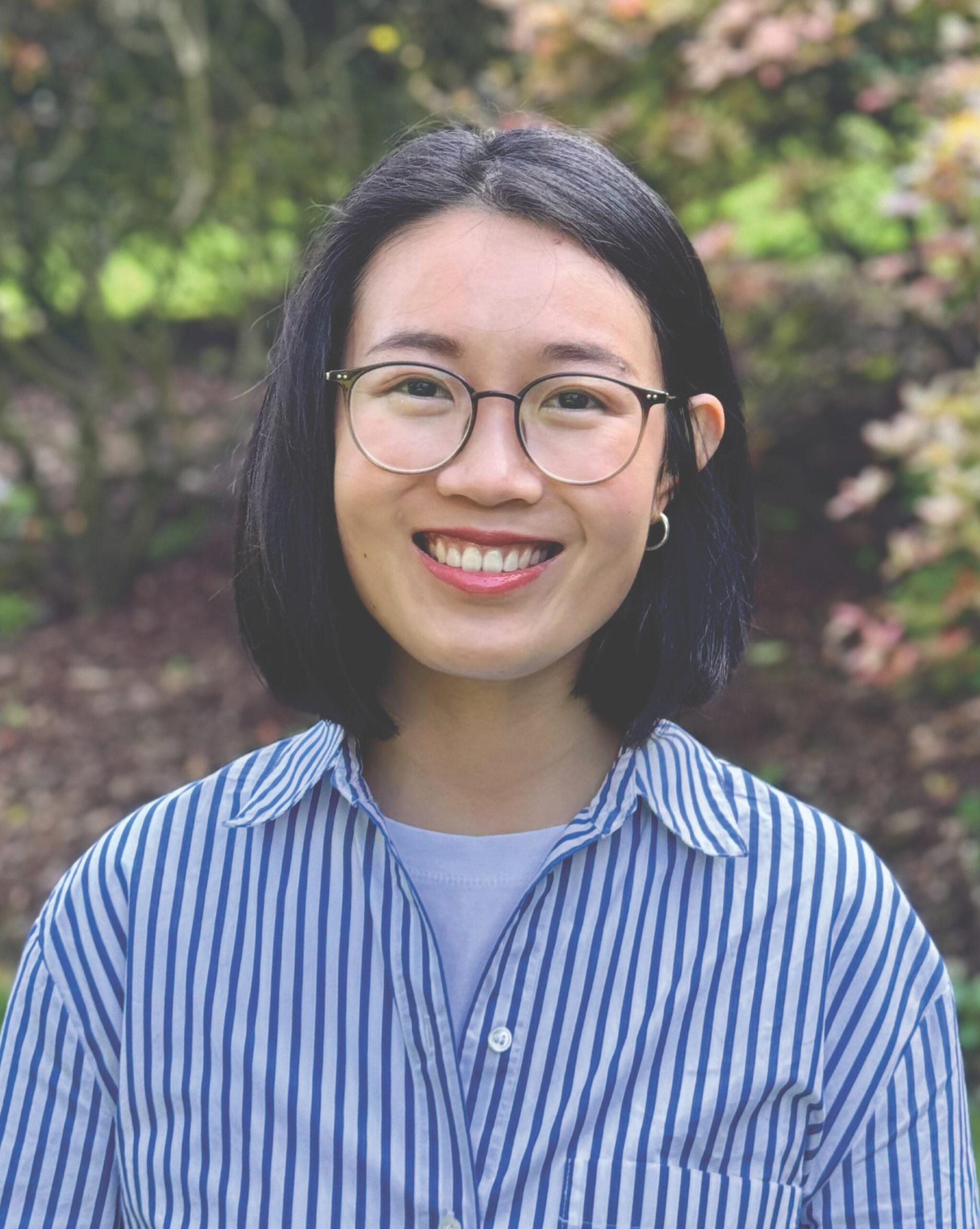
In this series we’ve already covered 12 AUSIT roles filled by members. In this issue we look at one of the organisation’s ‘honorarium roles’ – that is, roles that involve more work than most, and are therefore remunerated. Our current National PD Coordinator, Epperly Zhang, tells us about the role.
Hours per week:
6 to 8
Voluntary/paid?
Paid
AUSIT member for:
4+ years
Time in this role:
1.5 years
Other AUSIT roles (past and/or present): Victorian Branch PD Coordinator, September 2021 to February 2023 / Victorian Branch Committee member since February 2023
Q1: What does the role of National PD Coordinator involve?
One of the main responsibilities is organising and coordinating PD and social events for translators and interpreters. This involves selecting relevant PD topics, sourcing presenters and liaising with them, and working closely with AUSIT’s admin team to set up e-Flashes and promote the events. It also involves providing support to branch coordinators and responding to PD-related enquiries from AUSIT members and non-members alike. Plus I organise the bi-monthly PD Committee meetings, prepare the meeting agendas, and record and disseminate the minutes, as well as preparing the bi-monthly PD reports that update AUSIT’s National Council on all PD-related matters. The role is contracted for up to 10 hours per week, with the actual hours varying, depending on the number of events we’re running each week.
Q2: Why did you take it on?
I’d previously volunteered as the PD Coordinator for the Victorian Branch for over a year, and really enjoyed the opportunity to build connections with colleagues, and also to contribute to the professional development of practitioners. I found this experience really rewarding – especially during the pandemic, when I felt isolated and was seeking connection. That’s why I joined AUSIT and the Victorian Branch in the first place. When the National PD Coordinator role became available, I saw it as a chance to both challenge myself and contribute further to the profession.
Q3: What skills or qualities are needed?
Time management and organisational skills are key, as we often have multiple events to work on at the same time. Strong attention to detail is essential, as we need to make sure the little details such as times and dates are correct. People skills and collaboration are also important, as this isn’t a one-person job that can be carried out in a vacuum; it involves working closely with others. Last but not least, a keen interest to keep abreast of current trends in the T&I profession and industry is important, as this enables us to deliver PD events that are as relevant and valuable to practitioners as possible.
Q4: What advice would you give to someone who is thinking about taking on this role?
I would highly recommend it if you’re looking to become more involved in the profession and build some meaningful connections along the way. A good starting point would be to engage in some PD work at branch committee level, to gain firsthand insights into what this kind of role entails, before taking on the national role.
Q5: How has your involvement in this role contributed to your personal and/or professional growth?
Professionally, it has greatly improved my project management and organisational skills, as I’ve had to juggle multiple events, coordinate with various stakeholders, and ensure that everything runs smoothly. The experience has also deepened my understanding of the Australian T&I industry and the needs of our practitioners. On a personal level, the role has honed my communication and collaboration skills. Working closely with a diverse range of colleagues has taught me the importance of clear and effective communication. Additionally, the opportunity to connect with colleagues across the country has expanded my professional network and provides me with a strong sense of community – this has been really rewarding.