


SOCIAL/NETWORKING
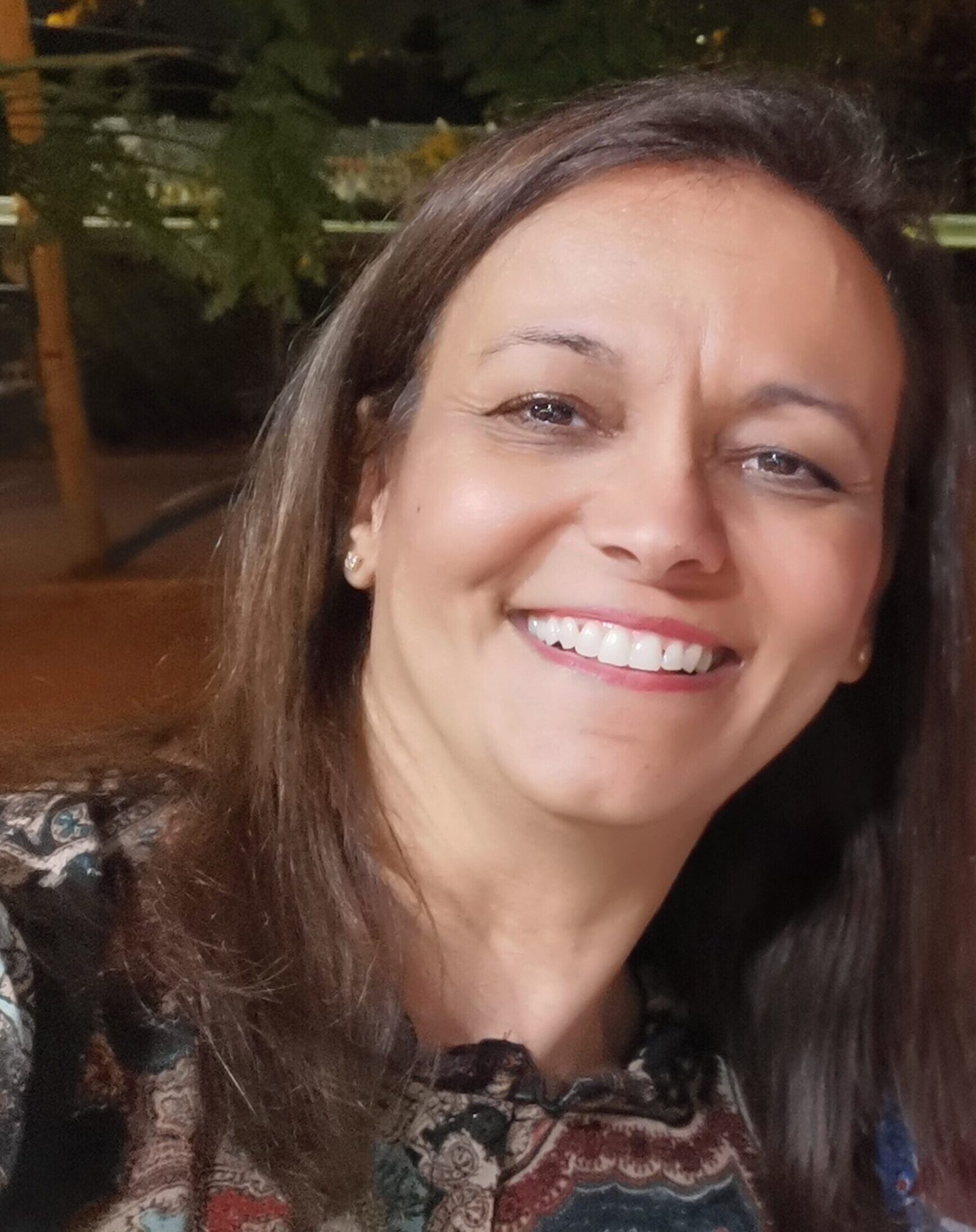
Over the last two years AUSIT’s Language Divisions have really taken off, increasing from just one (Spanish) to twelve, with another four in the pipe-line. We asked the Arabic LD’s Delegate Lama Al-Akhras to tell us about the benefits of joining (or setting up!) an LD in your own working language.
… the best part of this journey is that we are taking it together.
For me, joining an AUSIT Language Division (LD) has meant becoming part of a professional community in which translators and interpreters, students and academics working in the same language can connect, learn, share, and support one another.
The Arabic LD’s WhatsApp professional platform began with just eight Arabic language professionals in December 2025, and has since grown into a community of almost 130. This growth has been about much more than numbers – it reflects a strong desire among members to contribute collectively to the development and recognition of our profession.
Along the way, we have discovered that professional connection is much more than networking – it is about solidarity and creating positive change together. The group has become an active and safe space for exchanging valuable information, professional resources, job and training opportunities, experiences, advice, mentoring, discussions about ethics, and updates relevant to our profession.
The group has developed five specialised subgroups: legal, medical, AI, business and tax, and also an electronic magazine. One example of the activity of these groups is our recent work on translating the Legal Literate App* – introduced to us by a colleague who attended training at the South Australian Supreme Court – into Arabic. Rather than working in isolation, members have come together to contribute their knowledge and skills to this shared project. We are looking forward to publishing the translated glossary via AUSIT. This kind of collaboration demonstrates what can happen when professionals come together to work as a team.
The WhatsApp group has become a space in which members can talk openly about the realities of our profession, from difficult assignments and ethical dilemmas to work-related distress and challenging experiences. We also share successes and inspirational stories. Members discuss agencies, opportunities, remuneration and working conditions, and can turn to colleagues for help. These conversations help members become better informed and more confident in making professional decisions.
At its heart, the group has become a peer-support network where members know they are not alone in facing the challenges of working as translators and interpreters. Sometimes the most valuable response is simply: ‘Yes, I’ve been through that too.’
Collaboration, not competition
The division also has a broader purpose. Together, we are helping to challenge perceptions about Arabic T&I practitioners, and about the profession itself. We want to be recognised as skilled, knowledgeable and committed professionals who contribute significantly to Australia’s multicultural and multilingual society.
Our members bring different experiences, specialisations, dialects and perspectives. They include doctors and nurses, engineers and IT specialists, PhD holders, academics and teachers, journalists and writers, as well as a lawyer, a community hero and the recipient of an Australia Day Award (for commitment, services and involvement in the community). Quite a few speak more than three languages.
Our growing community demonstrates that professional excellence and collegiality can go hand in hand. Together we can advocate for better professional standards, and we see our colleagues as collaborators, not competitors. This spirit of collaboration over competition is becoming part of our professional culture.
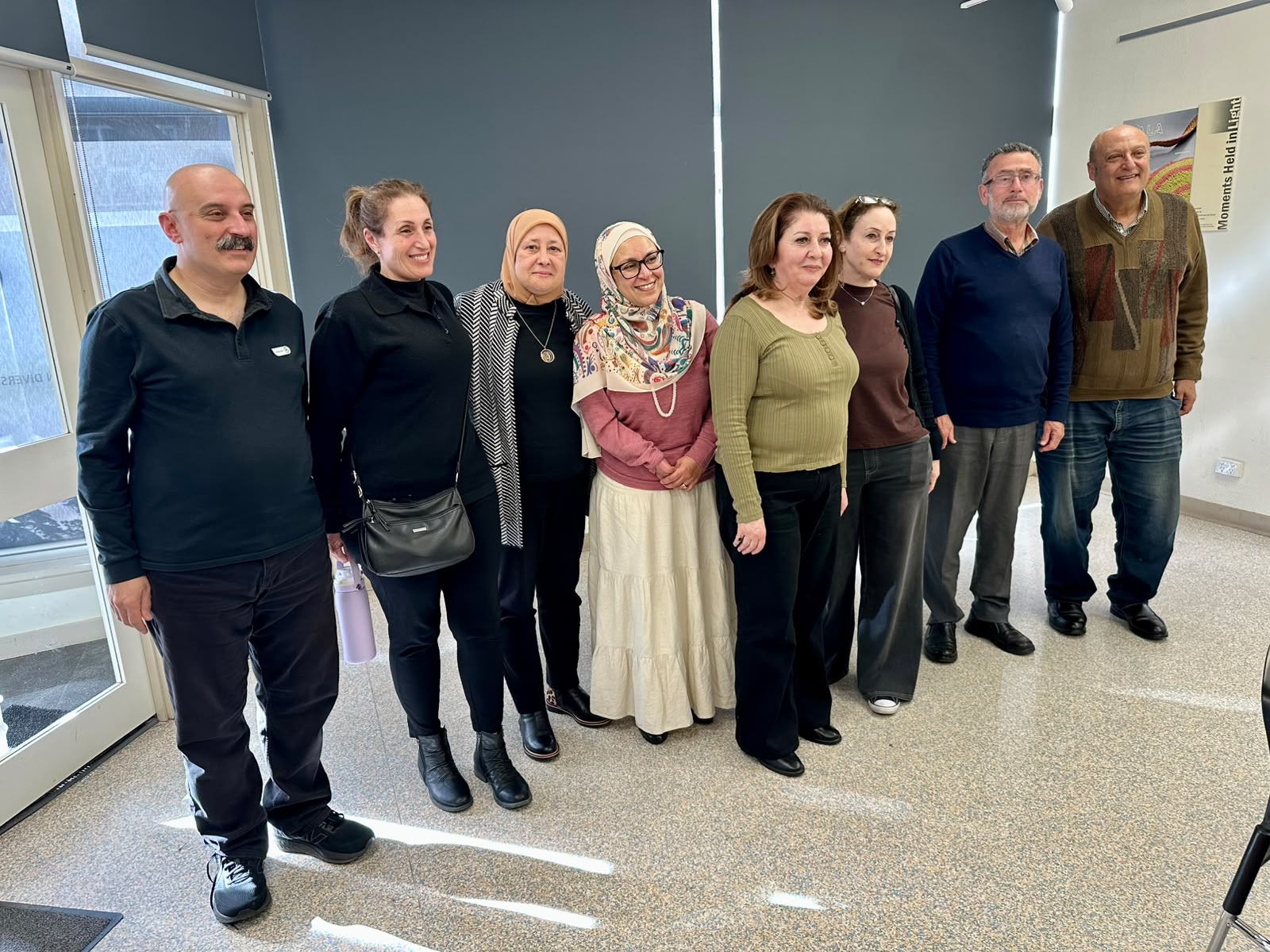
As we look ahead, we hope to keep growing – not just in numbers, but in professional strength. Soon we will have another opportunity to take our online connection into the real world: we are looking forward to seeing many of our colleagues face to face this November, at the AUSIT National Conference in Adelaide, during which we are planning an Arabic LD meetup.
Learning together
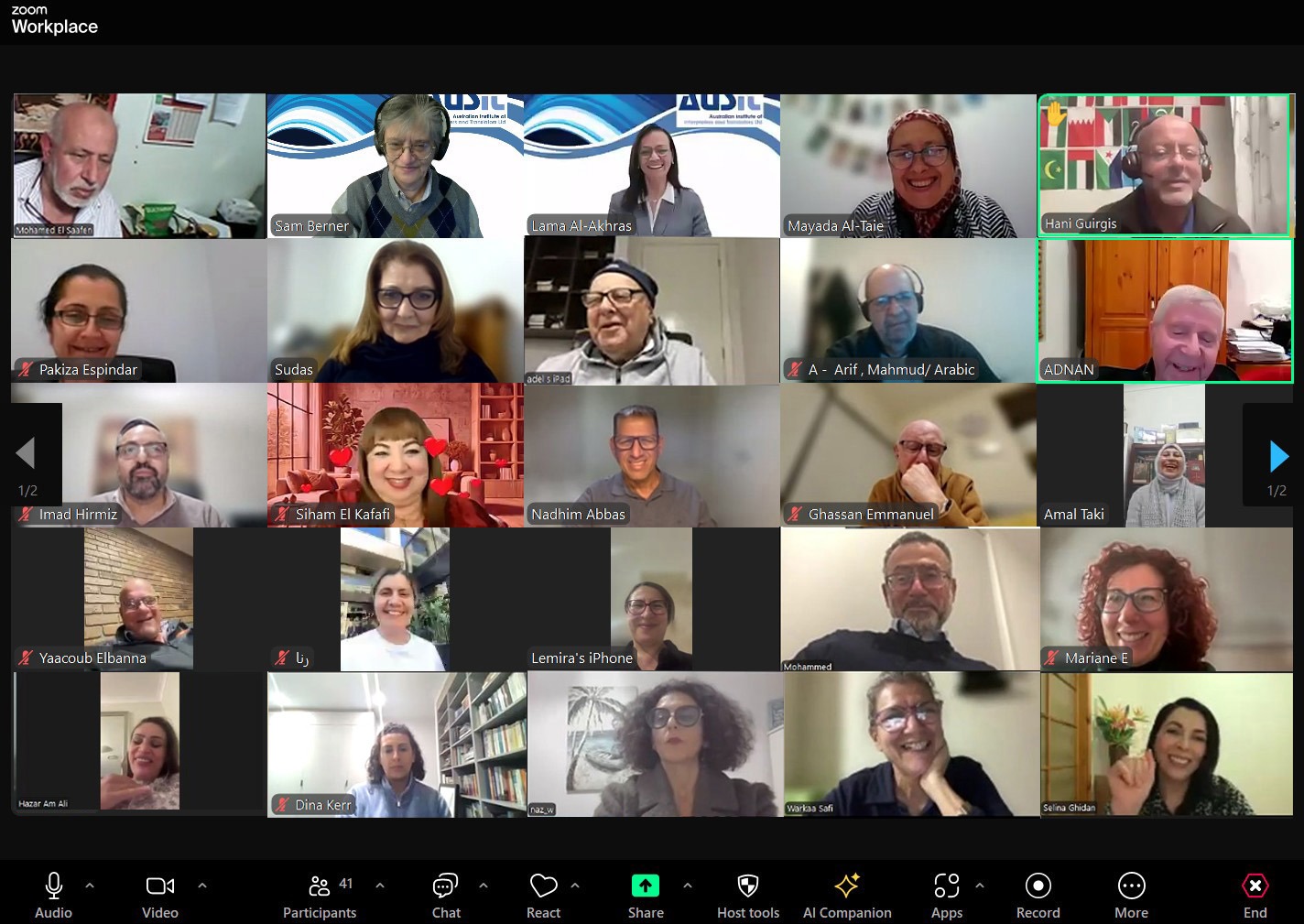
Professional development is another important part of our LD’s work. Every month, we host a free webinar presented in Arabic. This entitles attendees to NAATI professional development points. These webinars are followed by lively discussions. We also hold quarterly themed online social meetups.
Since February 2026 we have also hosted webinars on: specialised medical interpreting, presented by Hazar Am Ali; book translation across borders (Bakri Gaber); interpreter and translator rights (Silvia Martinez); the ethics of cross-cultural communication (Sam Berner); NAATI’s updated recertification process (Imad Hirmiz); legal language (me); and the preservation of Arabic in the age of AI (Dr Zeina Taleb).
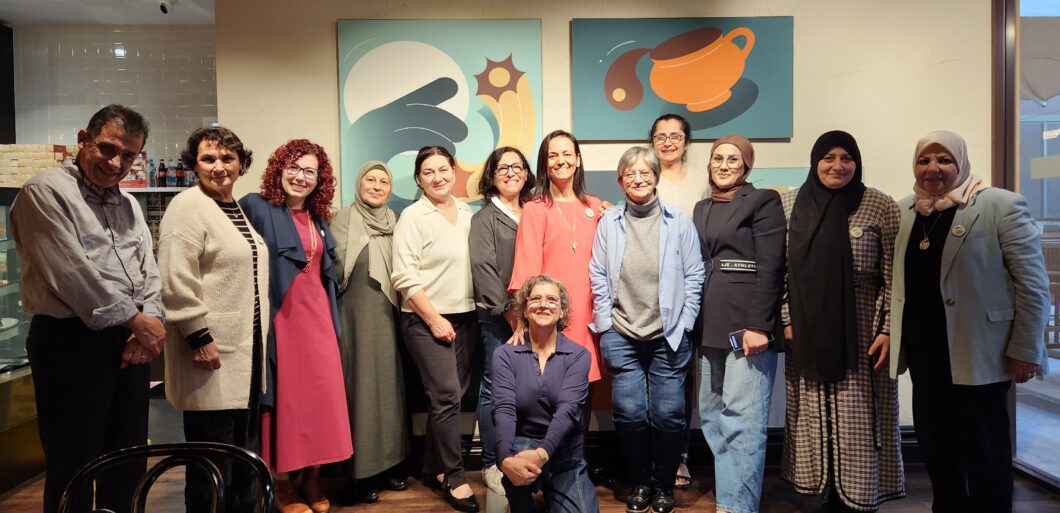
In addition, we have held two online themed social meetups – one about dialects, the other about the wider role of interpreters and translators in their communities – and in NSW we have had two face-to-face get-togethers.
Our upcoming events are another themed social meetup, to debate the AUSIT Code of Ethics, plus two webinars – one on the effect of AI on our jobs, presented by Stuart Kerr, the other on interpreters and intersectional inclusion, by Mikhael Touma – and we have already lined up a few international academics to present to our LD in 2027.
Our LD is really going places, and the best part of this journey is that we are taking it together.
Syrian-born Arabic–English interpreter Lama Al-Akhras holds a BA in commerce and economics from the University of Damascus. She migrated to Australia in 2000, was awarded a scholarship to study legal interpreting at Monash University, graduated in 2025, and recently became a NAATI-certified specialist legal interpreter. You’ll find a longer biography at the end of Lama’s article in the Autumn 2026 issue of In Touch (page 10).
* You can read AUSIT past president Prof. Sandra Hale’s article on the Legal Literate app in the Autumn 2021 issue of In Touch (page 16).
Attending an LD event counts towards NAATI recertification (category B.6, or if the session is held in your credentialled language, category D.5).
You’ll find more about the LDs, plus how to contact their delegates and the LD coordinator, here.