



AUSIT NEWS
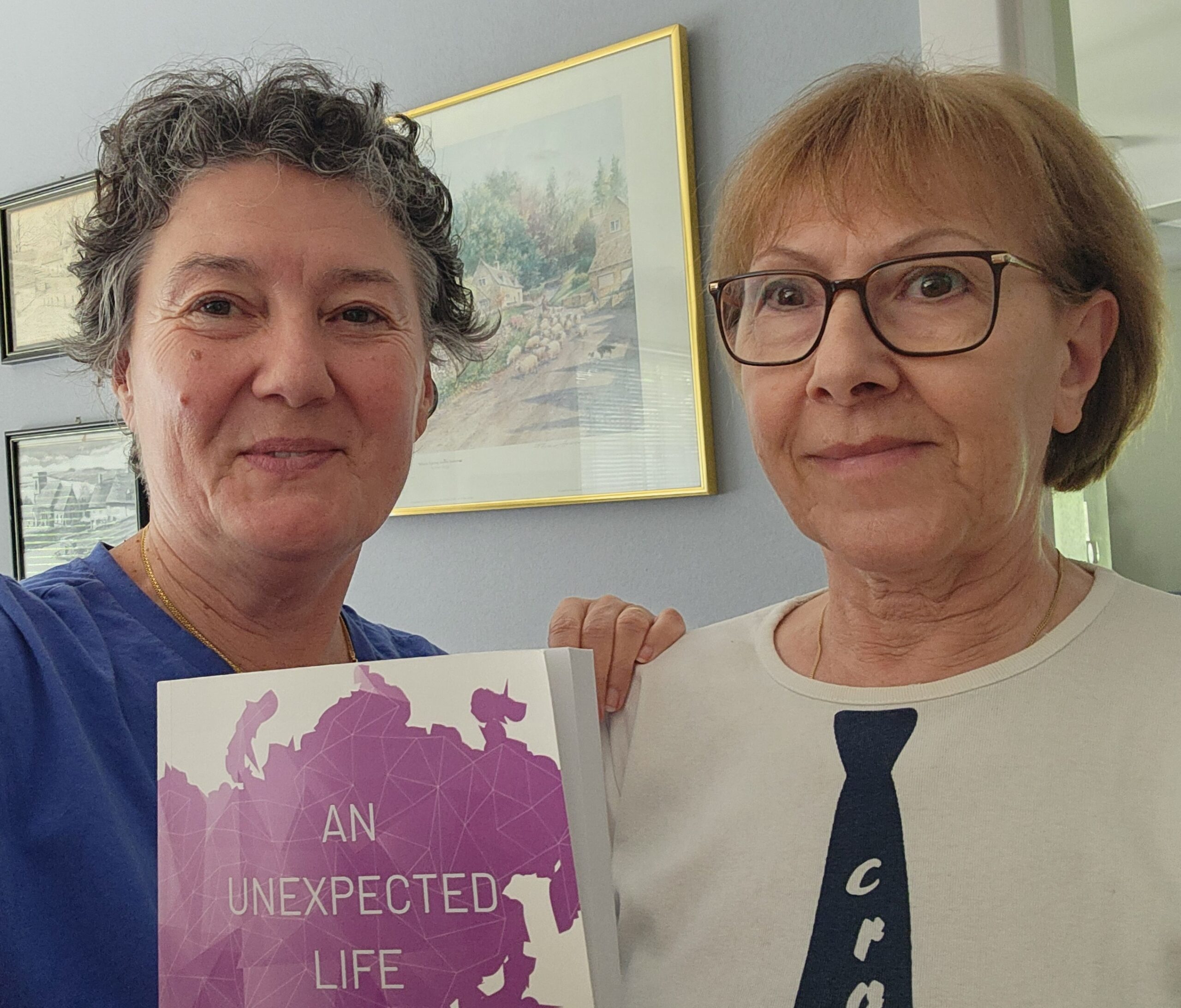
Serbian–English interpreter Vesna Cvjetićanin is also a lawyer and a mediator. She was AUSIT’s Vice President (Communications & PR, 2020–23), and last year she added award-winning author to her achievements. Vesna won the 2025 ACT Literary Award (Non-Fiction category) for her book An Unexpected Life, which explores the experiences of 12 female migrants to Australia, including Vesna herself. Meri Dragičević, former president of the Modern Language Teachers’ Association of the ACT, recently interviewed Vesna about the book, the award and the women’s migrant experiences.
… we came … for many, many reasons … none of us could have actually known what to expect.
Meri Dragičević (MD): Vesna, thanks for agreeing to come to this interview for AUSIT’s In Touch magazine. I was lucky to be at the promotion of your book, and I’ve read it. Let’s start from the book’s title, An Unexpected Life.
The word ‘unexpected,’ in essence, means something that we didn’t plan, that can surprise us – in either a positive or a negative way. Is this what you expected to reveal when you selected your 11 protagonists?
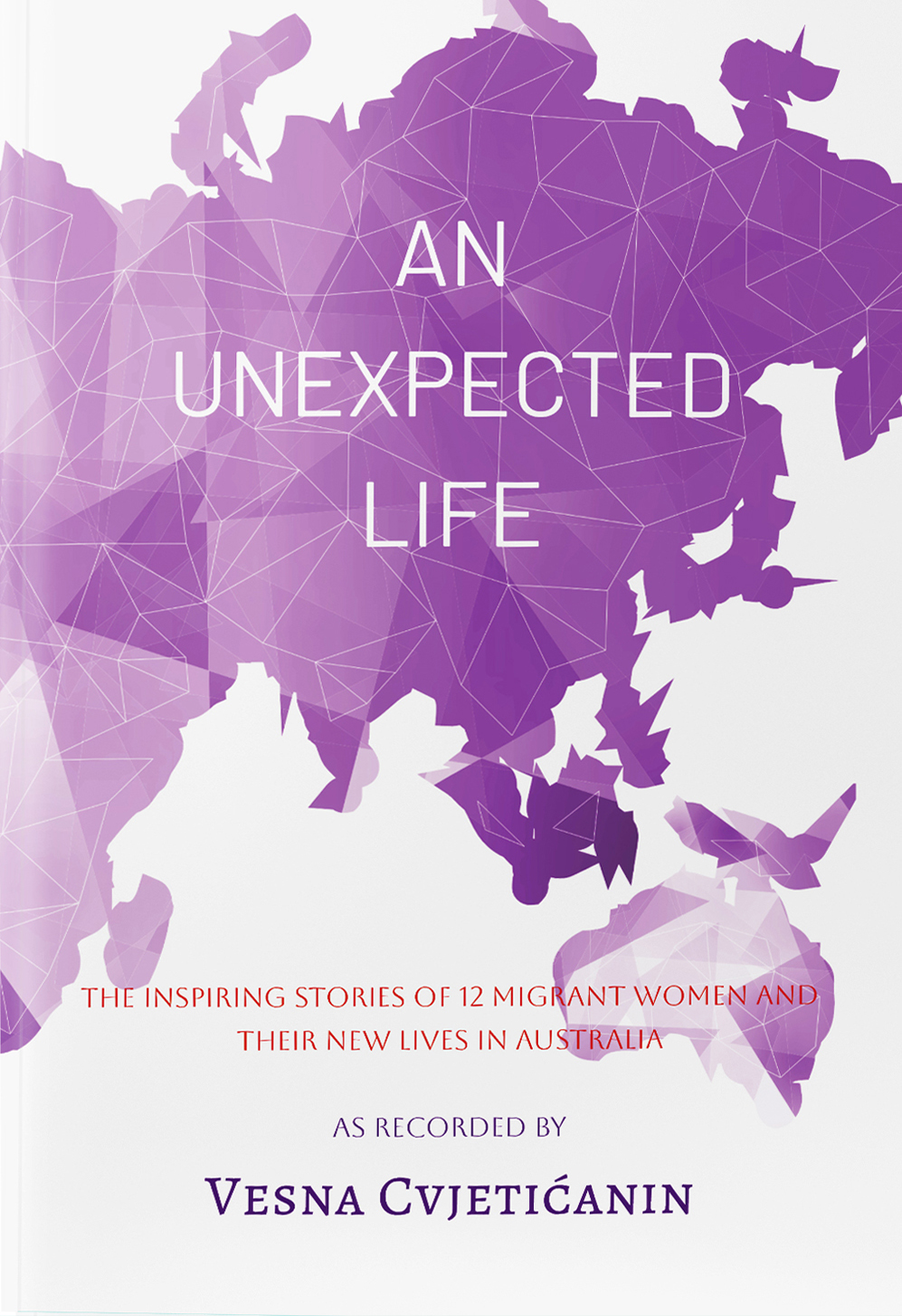
Vesna Cvjetićanin (VC): Yes, I knew about those women’s stories, and I knew that whatever they had been through actually was in a way unexpected, a surprise – either for them, for their families, or for the new friends they met in Australia. That was something I wanted the book to demonstrate. We consulted – the 12 of us – and agreed on the title An Unexpected Life because there were differences amongst us as to how we came to Australia and why – it was for many, many different reasons – but none of us could have actually known what to expect. Many aspects of our lives have been unexpected.
MD: All your protagonists are bilingual as they came to Australia after their formative years. So, which other languages do they speak?
VC: Oh, I could start with my own, which I call Serbo-Croatian. And then we have a number of languages represented: Chinese, Afghani, two women speak Romanian. Then we have one of the languages that is spoken in Ghana, then Macedonian and Spanish. Many different languages, because women come from all over the world.
MD: Arrival in another country can be love at first sight … or it can be a trauma. Did you – in your conversations with your protagonists – find out how their first encounters with Australia were?
VC: There are 11 chapters, one for each woman, and my story weaves through theirs, and every story has something special and different to say. All of us were migrants who arrived in Australia as adults. Some came as single mothers, some came with partners or husbands, some came with families. For some of us, migrating to Australia was very challenging, with many obstacles and difficulties. For others, it was a bit easier. Regardless of the initial experiences, it was a new life, new experiences, new ways of life we all had to learn not only to cope with, but to thrive in. And we all managed to do that.
MD: What were the common traits you discovered among these women that made the hardships of migration bearable?
VC: The mere fact that they were able and willing and happy to talk to me about the often very personal experiences shows the strength of character. There needs to be a certain resilience – a high level of resilience – and also adaptability. They are really positive individuals; they have positive personalities and strong characters. What is also important is that they have self-belief and self-respect, and a tolerance of other people and other cultures. One of the key threads is not being afraid of the new.
MD: How critical was the role of professional associations like AUSIT and NAATI for these migrants arriving in Australia?
VC: Language support was really critical. AUSIT has always been a backbone of this service. What AUSIT actually ensures is that the level and the quality of services is top-notch, because members need to hold certain certifications and qualifications provided by NAATI. AUSIT members do a lot of good-hearted volunteer work towards ensuring that there is capacity in Australia to actually deliver those language services. It’s capacity building for the country.
MD: As a writer, you mentioned a dilemma regarding which language to use for your future books. Could you explain that?
VC: Yes, I’m faced with a dilemma, and that’s whether to write about my interesting experiences from Serbia – the first 30 years of my life – in English, and if it’s going to be interesting for our Australian audience. Also, whether some of my experiences since the age of 30 in this ‘unexpected life’ should be described in Serbian. My gut feeling is that each specific experience needs to be placed in the language that it occurred in.
MD: Congratulations on your recent success! How does it feel to have your work recognised with a literary award?
VC: Receiving the ACT Literary Award 2025 for non-fiction was really a very humbling experience – another unexpected event in my life. People quote the Bible as saying ‘Don’t be proud’, but I do have that feeling in my heart for my book achieving the award.
Vesna’s book can be purchased online, or directly from her – you can email Vesna here.