


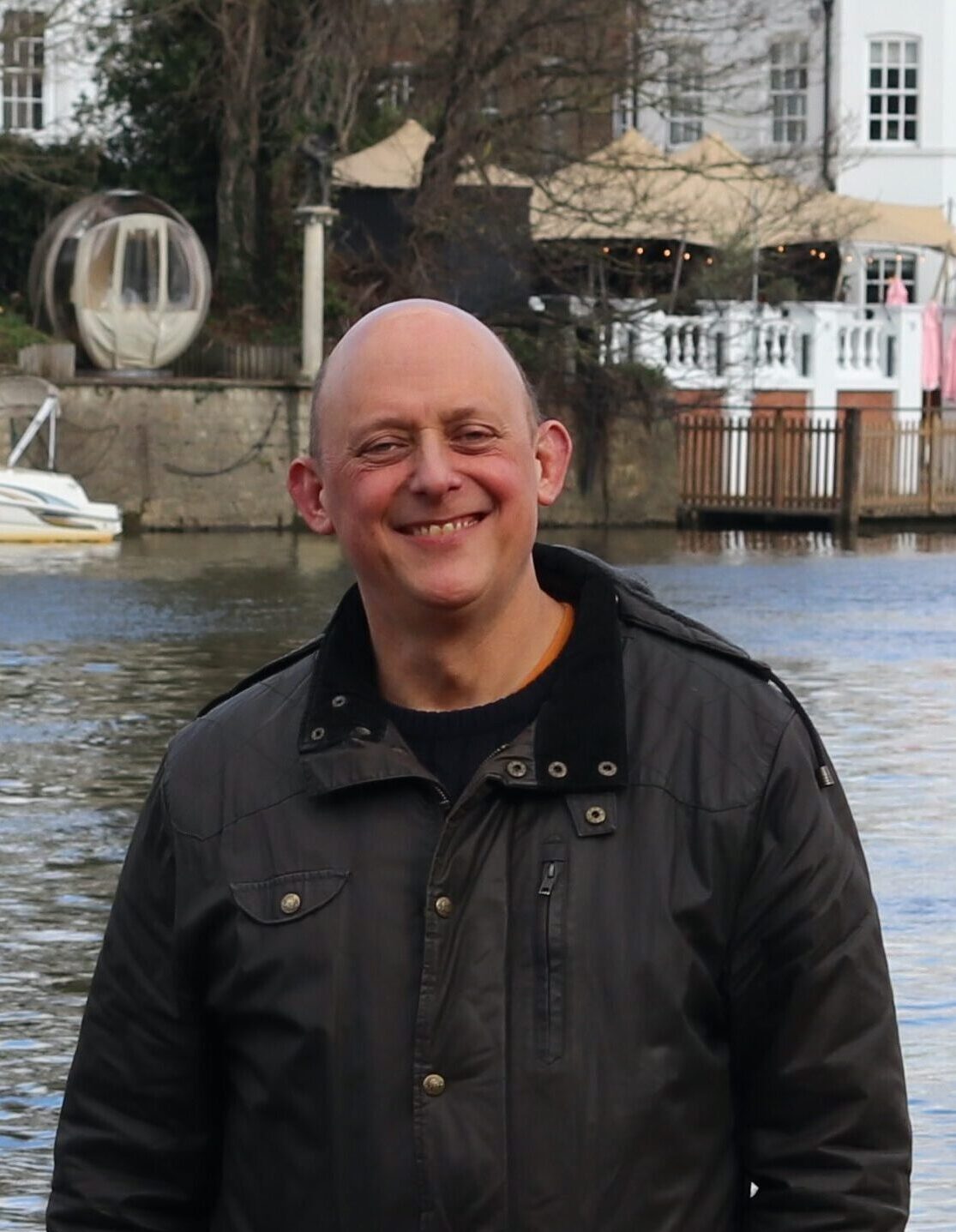
Adam Bartley
Translator or interpreter (or both): both
Language(s) and direction(s): Russian, German, Dutch>English
Location: Cairns, QLD
Practising as a translator/interpreter since: 2001
Member of AUSIT since: 2014
Main area(s) of practice: legal, technical, medical, literary
Q1:
How did you come to be a T/I?
A1:
While in academia (teaching and researching in Latin and Ancient Greek) I spent some time as a post-doctoral fellow in Germany, where I acquired German thanks to the generosity of the German Academic Exchange Service (DAAD). Similar adventures led to my learning Dutch, and I picked up Russian via family connections. It was a small step from teaching and translating ancient languages to translating these modern ones. After 15 years abroad, I returned to Australia with my family and focused on modern languages. For modern texts, it helped that I had worked in finance and the public service before doing my PhD, as this left me with the language and idioms used in finance and law at my fingertips. Research with a colleague on ancient medicine helped with modern medical texts, and my bachelor’s degree in mathematics, physics and geology has (finally!) proven its worth when working with technical texts.
Q2:
Tell us about a project you have worked on that was especially interesting or challenging (within the bounds of confidentiality of course).
A2:
If you’d asked me whether there was going to be much demand for my ancient languages, I would have laughed. However, when a PhD student at Oxford needed over 100,000 words on the Holy Roman Emperor Frederick II, Latin paid my bills for a few months, as well as giving me a chance to put into action hard-earned skills that I’d been considering part of a ‘past life’. Another early job involved a European seller of homewares who wanted to use Latin as a universal language for stock control. Working out terminology for seagrass placemats was a challenge. My thanks go out to the Vatican for its modern Latin dictionary.
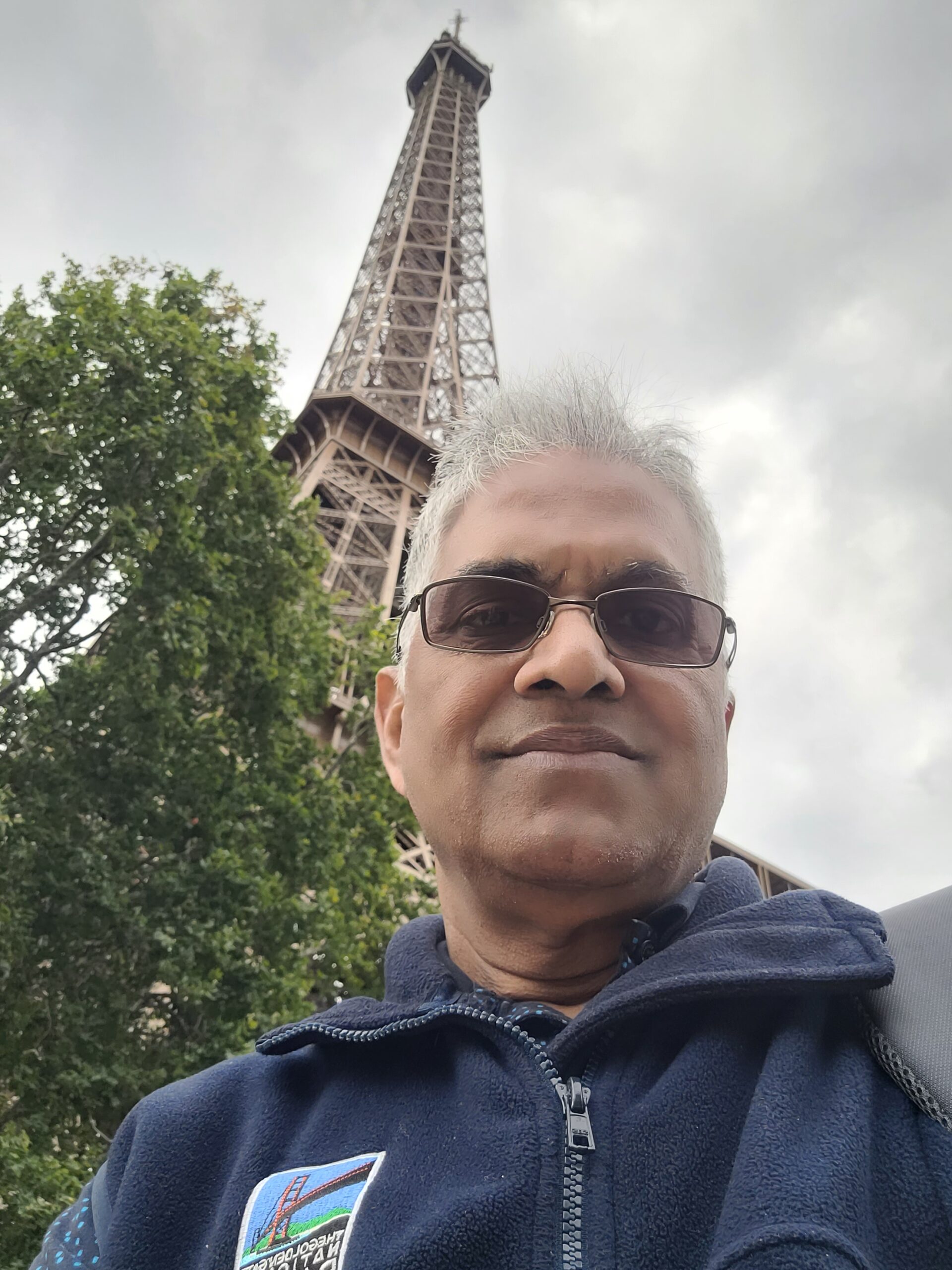
Rao Chekkala
Translator or interpreter (or both): both
Language(s) and direction(s): Telegu<>English
Location: Sydney, NSW
Practising as a translator/interpreter since: 2021
Member of AUSIT since: 2021
Main area(s) of practice: legal, medical, technical, immigration
Q1:
How did you come to be a T/I?
A1:
I love my native language, Telugu.* I initially studied engineering, and was an engineer for 41 years. The language of my education and employment was English, but I also wrote Telugu stories and poetry for magazines – in India as well as in Australia – and worked as a radio presenter in Telugu, for Radio 2TripleO in Sydney and also for the internet-based Telugu One Radio. When I heard that some employers require interpreters and translators to have NAATI recognition, I studied at TAFE NSW and TAFE SA to attain the requisite qualifications, became a NAATI-certified translator and interpreter, and have been working as such for the last few years.
* Spoken mainly in eastern India
Q2:
Tell us about a project you have worked on that was especially interesting or challenging (within the bounds of confidentiality of course).
A2:
Accuracy is one of the key tenets of the AUSIT Code of Ethics. Interpreters are required to transfer not only meaning between two languages, but also tone and emotions. In one student visa hearing, the tribunal official was asking questions which I interpreted from English to Telugu, but the student was sobbing instead of providing answers – that was quite challenging. In another incident, the judge asked the defendant to provide the full form of an acronym he’d used to name a software company he worked for. I’m familiar with the company in question, and know what the acronym stands for, but the defendant gave an incorrect, funny answer. Since – as in interpreter – I’m required to be accurate and impartial, I controlled my amusement and interpreted the incorrect answer provided by the defendant. That was interesting.