


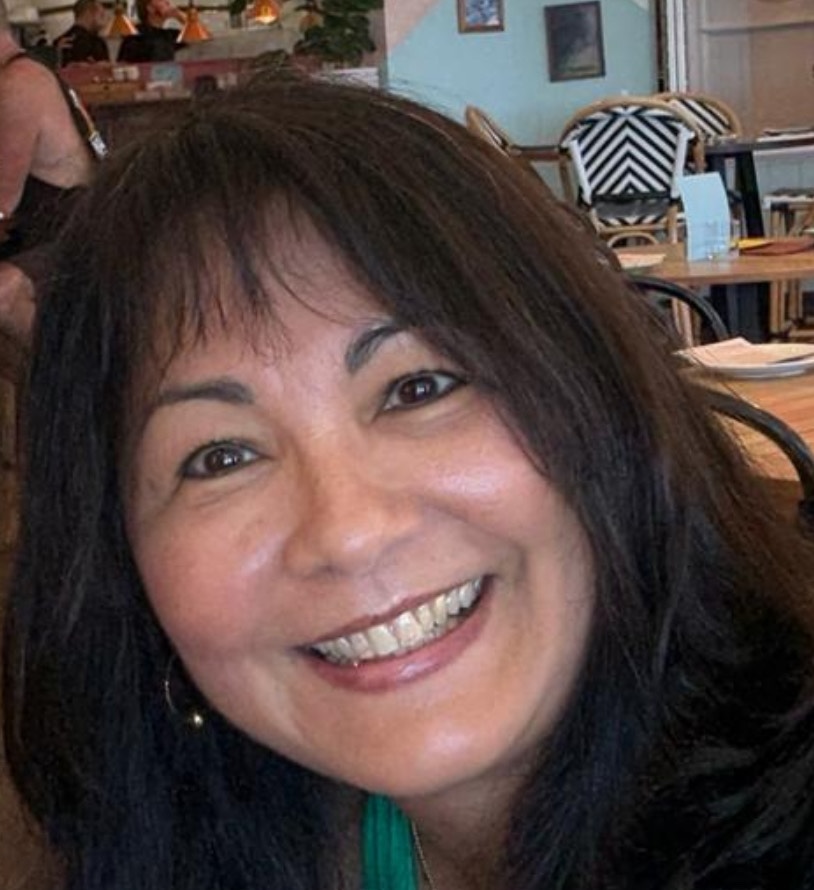
Aida Oye Gomez
Translator or interpreter (or both): interpreter
Language(s) and direction(s): Spanish–English
Location: Perth, WA
Practising as a translator/interpreter since: 2019
Member of AUSIT since: 2021
Main area(s) of practice: health, legal, welfare, education, mental health, insurance, work compensation, immigration
Q1:
How did you come to be a T/I?
A1:
Born in Cuba, to a Cuban mother and Japanese father, I spoke Spanish at home and in school, but the CALD element was always there. At university, studying chemical engineering, I had to use an American textbook. I enjoyed reading it, and without realising I was sight translating, I loved it. I have a passion for culture, dancing and Cuban folk music, but what really made me tick back then was English language pop music. I tried to mimic the lyrics, pronouncing them as I heard them, while dancing of course – it was a bit off from the real lyrics, but intense fun! In 2004, TAFE was advertising a Spanish–English diploma in interpreting. I graduated in 2005, and have been working solely as an interpreter since the end of 2019.
Q2:
Tell us about a project you have worked on that was especially interesting or challenging (within the bounds of confidentiality of course).
A2:
I really enjoy challenges and variety, and it gives me a sense of gratification when I can give back to the industry. I’ve worked on various projects that I’ve found fascinating and enjoyable. Working for NAATI – as a ‘mock (interpreter) candidate,’ for roleplayers rehearsing the live roleplays used in interpreter certification testing – can be daunting, as I have to think fast to make sure I challenge the roleplayers. The sessions are really well planned, and a it’s a delight to deal with the like-minded NAATI staff. I also enjoyed working for Babel International College as an interpreter trainer on the Spanish Diploma of Interpreting course, developing expertise in teaching and education. I had to gather all my previous experience to present the course content to the students and impart training.
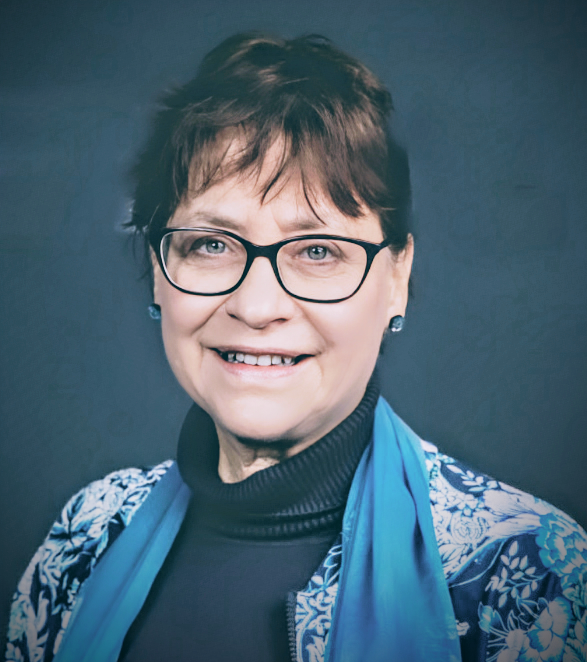
Avril Janks
Translator or interpreter (or both): translator
Language(s) and direction(s): German/Afrikaans>English, previously also Italian
Location: Sydney, NSW
Practising as a translator/interpreter since: 1984 in South Africa, 1989 in Australia
Member of AUSIT since: 2020
Main area(s) of practice: migration, legal, medical material (to be used for evidence), reports, emails/Whatsapp messages
Q1:
How did you come to be a T/I?
A1:
My grandmother migrated from Latvia to South Africa in the time of the pogroms against Jews. She was fluent in seven languages, and as one of my primary caregivers she had a huge influence on my life. I was an inquisitive child and wanted to know what she was saying when she spoke to someone in a language I didn’t understand, so I decided – before I even knew what the word really meant – that I was going to be a translator. I did a degree in languages and then a master’s degree in translation, studied more languages after that, and continue to do so.
Q2:
Tell us about a project you have worked on that was especially interesting or challenging (within the bounds of confidentiality of course).
A2:
I work mainly on translations for migration applications, but I’ve also completed many where the content has centred on violence, including reports, logbooks, emails, social media messaging, police-sourced recordings, and audio and video files containing some very confronting text. It’s good to be able to do work that supports the pursuit of justice for vulnerable people, but at the same time it’s a terrible load. I am still dwelling several years later on a horrifying confession from someone who murdered their own baby, and on the accompanying inventory of types of torture inflicted on various parts of the baby’s body. CPD from AUSIT has helped me to identify the effects of my exposure to traumatic material and to understand vicarious trauma, but commissioning agencies offer little or no warning about translation tasks containing such material, and it’s difficult to access support once the task is completed. My love of languages has led me on a very complex journey!
Aida Oye Gomez
Translator or interpreter (or both): interpreter
Language(s) and direction(s): Spanish–English
Location: Perth, WA
Practising as a translator/interpreter since: 2019
Member of AUSIT since: 2021
Main area(s) of practice: health, legal, welfare, education, mental health, insurance, work compensation, immigration
Q1:
How did you come to be a T/I?
A1:
Born in Cuba, to a Cuban mother and Japanese father, I spoke Spanish at home and in school, but the CALD element was always there. At university, studying chemical engineering, I had to use an American textbook. I enjoyed reading it, and without realising I was sight translating, I loved it. I have a passion for culture, dancing and Cuban folk music, but what really made me tick back then was English language pop music. I tried to mimic the lyrics, pronouncing them as I heard them, while dancing of course – it was a bit off from the real lyrics, but intense fun! In 2004, TAFE was advertising a Spanish–English diploma in interpreting. I graduated in 2005, and have been working solely as an interpreter since the end of 2019.
Q2:
Tell us about a project you have worked on that was especially interesting or challenging (within the bounds of confidentiality of course).
I really enjoy challenges and variety, and it gives me a sense of gratification when I can give back to the industry. I’ve worked on various projects that I’ve found fascinating and enjoyable. Working for NAATI – as a ‘mock (interpreter) candidate,’ for roleplayers rehearsing the live roleplays used in interpreter certification testing – can be daunting, as I have to think fast to make sure I challenge the roleplayers. The sessions are really well planned, and a it’s a delight to deal with the like-minded NAATI staff. I also enjoyed working for Babel International College as an interpreter trainer on the Spanish Diploma of Interpreting course, developing expertise in teaching and education. I had to gather all my previous experience to present the course content to the students and impart training.
Avril Janks
Translator or interpreter (or both): translator
Language(s) and direction(s): German/Afrikaans>English, previously also Italian
Location: Sydney, NSW
Practising as a translator/interpreter since: 1984 in South Africa, 1989 in Australia
Member of AUSIT since: 2020
Main area(s) of practice: migration, legal, medical material (to be used for evidence), reports, emails/Whatsapp messages
Q1:
How did you come to be a T/I?
A1:
My grandmother migrated from Latvia to South Africa in the time of the pogroms against Jews. She was fluent in seven languages, and as one of my primary caregivers she had a huge influence on my life. I was an inquisitive child and wanted to know what she was saying when she spoke to someone in a language I didn’t understand, so I decided – before I even knew what the word really meant – that I was going to be a translator. I did a degree in languages and then a master’s degree in translation, studied more languages after that, and continue to do so.
Q2:
Tell us about a project you have worked on that was especially interesting or challenging (within the bounds of confidentiality of course).
A2:
I work mainly on translations for migration applications, but I’ve also completed many where the content has centred on violence, including reports, logbooks, emails, social media messaging, police-sourced recordings, and audio and video files containing some very confronting text. It’s good to be able to do work that supports the pursuit of justice for vulnerable people, but at the same time it’s a terrible load. I am still dwelling several years later on a horrifying confession from someone who murdered their own baby, and on the accompanying inventory of types of torture inflicted on various parts of the baby’s body. CPD from AUSIT has helped me to identify the effects of my exposure to traumatic material and to understand vicarious trauma, but commissioning agencies offer little or no warning about translation tasks containing such material, and it’s difficult to access support once the task is completed. My love of languages has led me on a very complex journey!
Advertisement: