




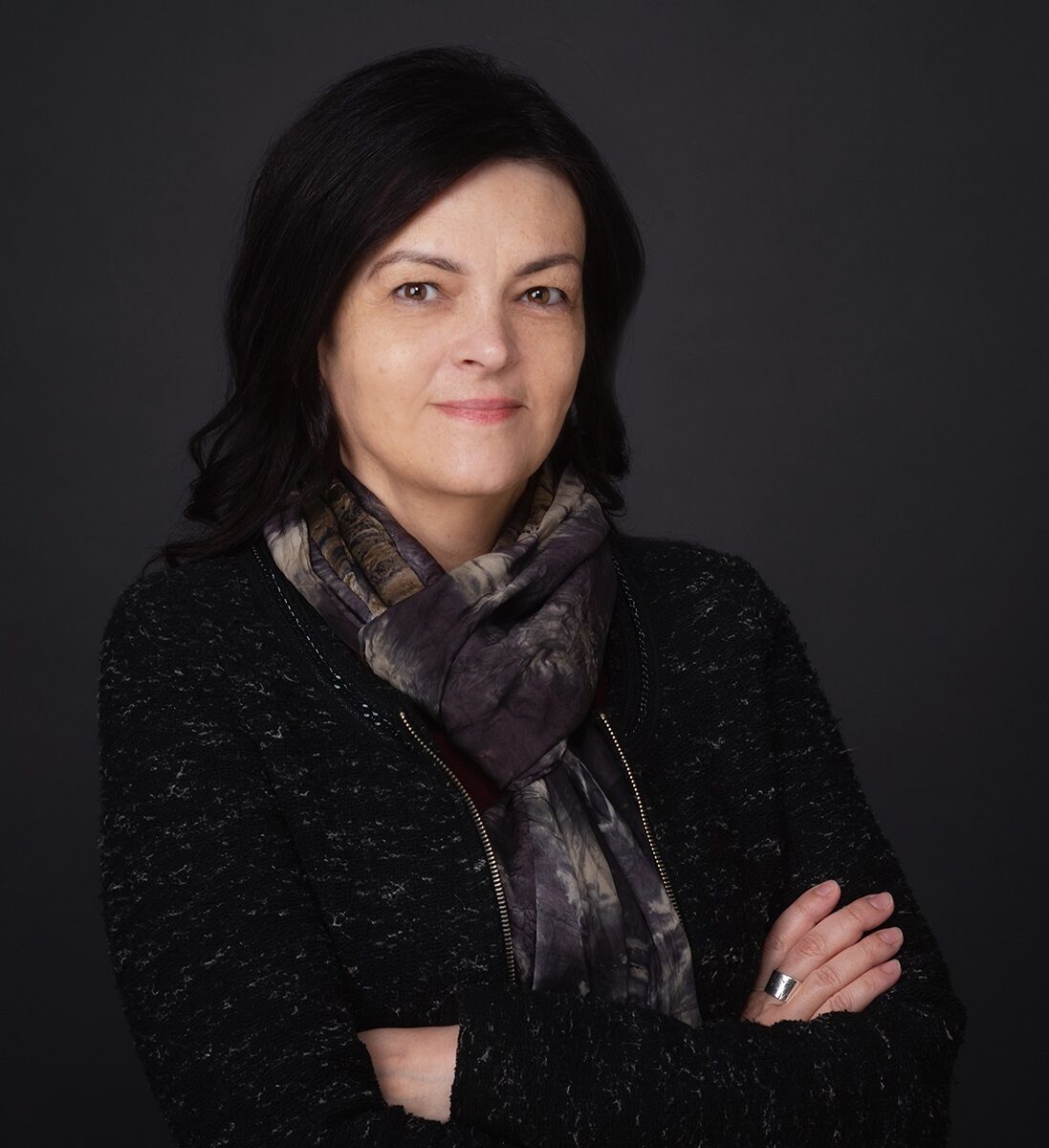
Cristina Savin
Translator or interpreter (or both): translator
Language(s) and direction(s): French and Romanian into English
Location: QLD
Practising as a translator/interpreter since: 2018
Member of AUSIT since: 2018
Main area(s) of practice: academic texts; economics and finance; government; literature; art history
Q1:
How did you come to be a T/I?
A1:
All my life I’ve had a passion for languages and cultures. I started learning foreign languages in primary school, first French then English, and continued with both until university, where I studied French. Later in life I took up Indonesian and Mandarin Chinese, but my proficiency in both is limited. I’ve lived, worked and studied in several countries, and have always remained connected with languages and cultures in various forms. Almost a decade ago I took the formal path – master’s and PhD in translation studies at Monash University – and became a professional translator.
Q2:
Tell us about a project you have worked on that was especially interesting or challenging (within the bounds of confidentiality of course).
A2:
A few years ago I worked on an art authentication project commissioned by an art gallery in Paris. At the centre of this project was a painting by Wassily Kandinsky, one of the first abstractionist artists. I have a lifelong interest in art and took art history courses at the Université d’Angers, France in 2003, so I was very well suited to this project. I translated complex information on painting techniques, pigment types, brushstrokes and shades, stratigraphic examination of the canvas, and various optical microscopes used in the analysis of the painting. But even more interesting was the translation of supporting material used to ascertain the authenticity of the painting: a wide range of documents that belonged to the Kandinsky family; snippets from memoirs; commentary on the artist’s drawings, sketches and landscapes; and the gallery curator’s analysis of theoretical essays published by the artist. And the final verdict? Yes, the painting was by Kandinsky.
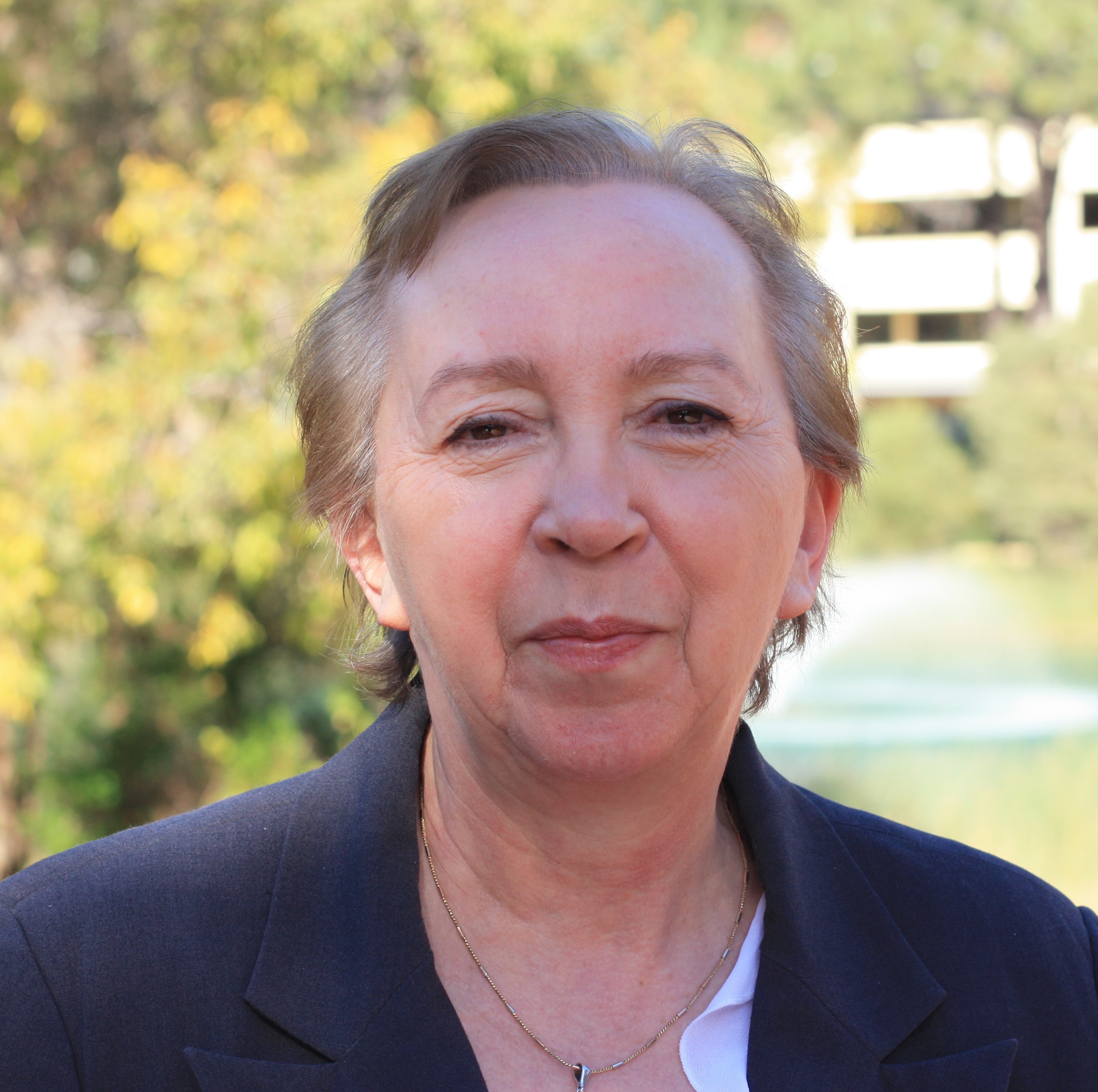
Teresa Lawrence
Translator or interpreter (or both): translator
Language(s) and direction(s): Polish<>English
Location: Perth, WA
Practising as a translator/interpreter since: 1972 (with breaks due to my other career in the international education and training sector)
Member of AUSIT since: 2020
Main area(s) of practice: official certificates/documents/transcripts; legal documents; court case reports; memoirs
Q1:
How did you come to be a T/I?
A1:
I graduated in English philology, did my doctorate in applied linguistics (on collocations and their influence on language proficiency) much later, and am very interested in semantics. In Poland in 1972, a local authority asked me to do some English–Polish interpreting at a manufacturing plant. I’d just graduated and started teaching. After work, I interpreted on location a couple of times a week for a few months, for engineers and food production process experts from both Poland and the US. Then I started translating technical manuals, legal documents and personal letters as a sworn translator endorsed by a court of justice.
Q2:
Tell us about a project you have worked on that was especially interesting or challenging (within the bounds of confidentiality of course).
A2:
One project in particular required more time than usual and very careful attention to detail. It was the handwritten memoir of a Polish soldier fighting on an eastern front in the Second World War, and experiencing starvation and misery due to bad weather, lack of decent clothing, the toil of fighting, difficulty in avoiding the enemy in very harsh territory, and despair. The author’s descriptions of the conditions and his feelings were so vivid, it was easy to picture the situations he found himself in. It was hard to distance myself from the content, especially as a member of my family was a POW and managed to escape on foot from Germany. The writing was legible, but the memoir was written in a dialect. Luckily, I had a relative who had studied that language, and also had excellent knowledge of place names in the region in question. I was really glad the next generation of the memoirist’s family would be able to read about his war experience.