It’s that time of year – soon, most of us will be able to take some time off to relax, refresh and recharge. With this in mind, our Editorial Committee has again drawn up a list of T&I-related summer reading. The volumes we’ve included range from page-turning adventure fiction and dystopian mystery to reflections on the many ways one poem can be translated, and from witty, wise essays to cutting-edge research.
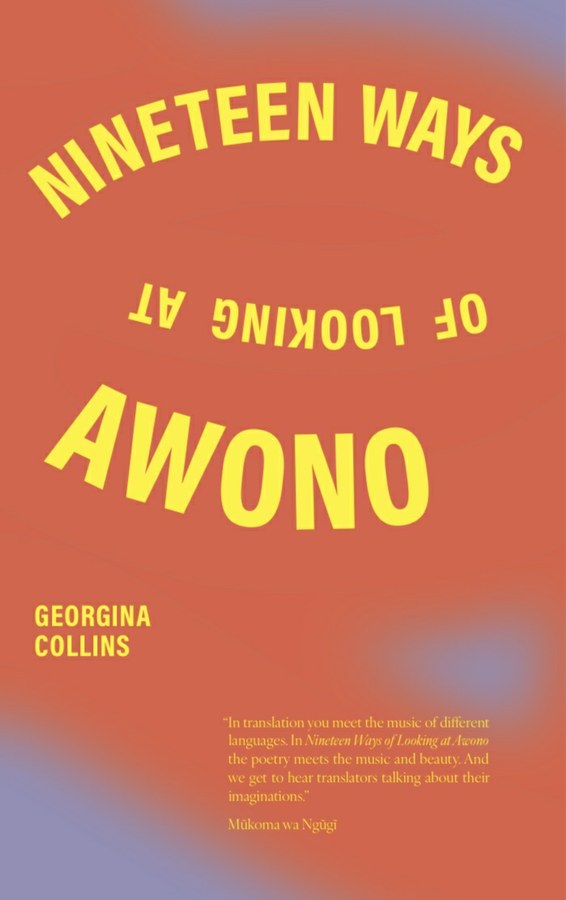
Nineteen Ways of Looking at Awono (2024) by Georgina Collins
A unique anthology centred around a poem by award-winning Cameroonian writer, Jean-Claude Awono –‘Le Poème de Yambacongo’ (Yambacongo’s Poem) – and nineteen very distinct translations of that poem from around the globe. Inspired by 19 Ways of Looking at Wang Wei by Eliot Weinberger, this collection highlights the diversity of Englishes in existence worldwide, with each translator rendering Awono’s poem in their own form of English including Nigerian Pidgin, Jamaican Creole, Shetlandic, and ‘Sesotho-fied’ English.
Translation and Objects: Rewriting Migrancy and Displacement through the Materiality of Art (2024) by María Carmen África Vidal Claramonte
This book shows how meaning is displaced through the materiality, texture, smells, sensations, and forms of moving objects.
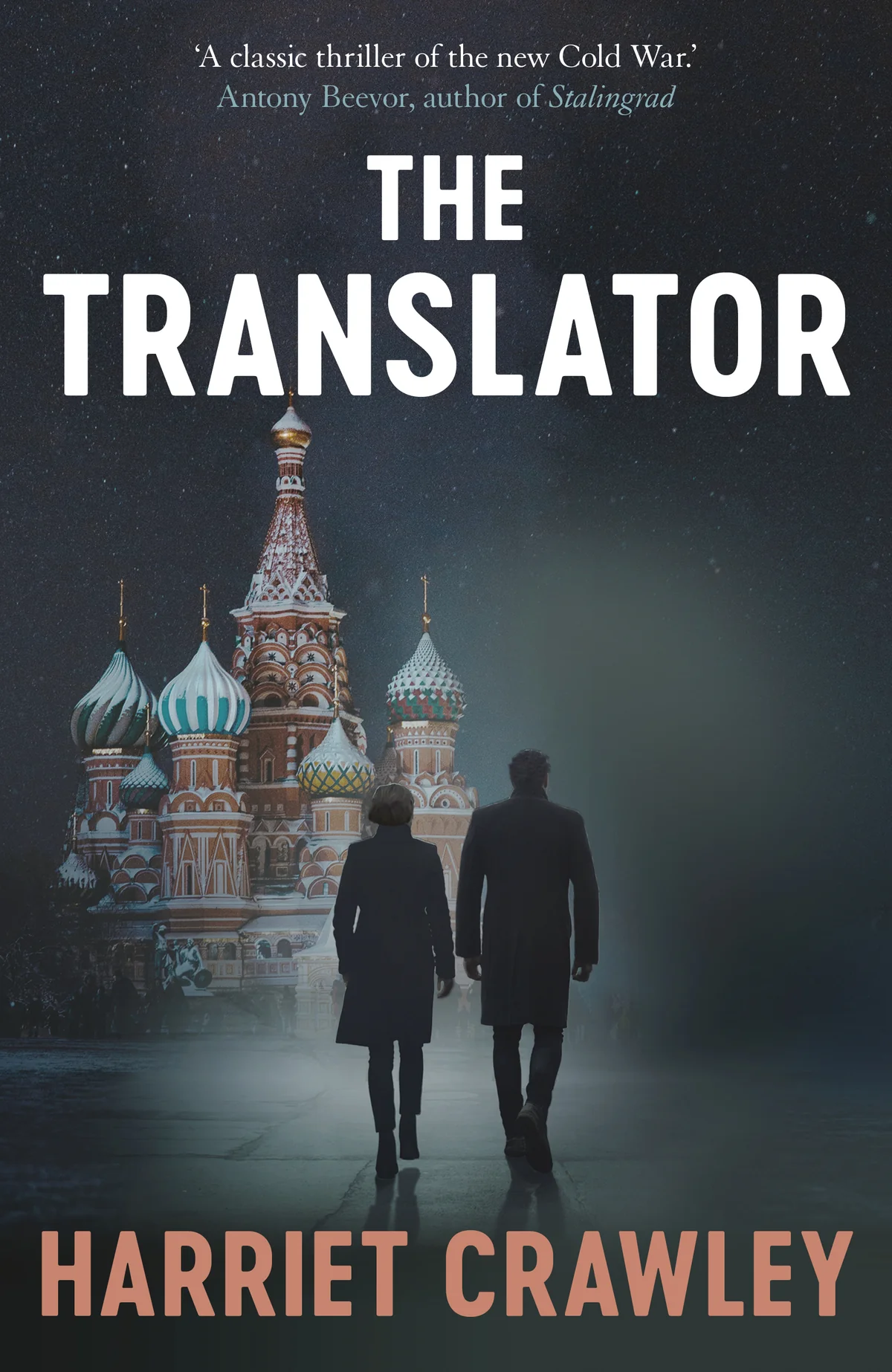
The Translator (2024) by Harriet Crawley
A taut, highly topical thriller, set in Moscow and centred on a devastating Russian plot to sabotage the undersea communication cables linking the US to the UK. Also, a passionate love story between two people determined to stop this cataclysmic act. Written by an insider: Harriet Crawley lived in Moscow for many years, working in the energy sector at a time of exploding wealth concentration and increasingly violent political repression.
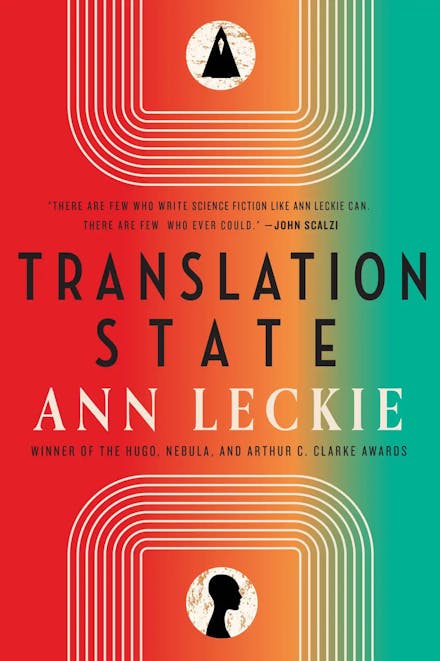
Translation State (2023) by Ann Leckie
(Shortlisted for the Hugo Award for Best Novel 2024.)
The mystery of a missing translator sets three lives on a collision course that will have a ripple effect across the stars in this powerful novel from a Hugo, Nebula and Arthur C Clarke award-winning author. Masterfully merging space adventure and mystery, and a poignant exploration about relationships and belonging – a triumphant new standalone story set in Leckie’s celebrated Imperial Radch universe.
Some women translators of the past (2024) by Marie Lebert
After being anonymous or hidden behind a male pseudonym, women translators began to sign their translations with their real names in the 16th century. This AUSIT member’s e-book contains short biographies of 58 women translators from the 16th to the 20th century. Most of them were also writers, and many were also trailblazers for women’s rights, and fought for gender equality and education for all women.
(Researched and written by AUSIT member Marie Lebert. Marie’s article on seven of these translators appeared in our October issue. You can click on the image to go straight to the e-book.)
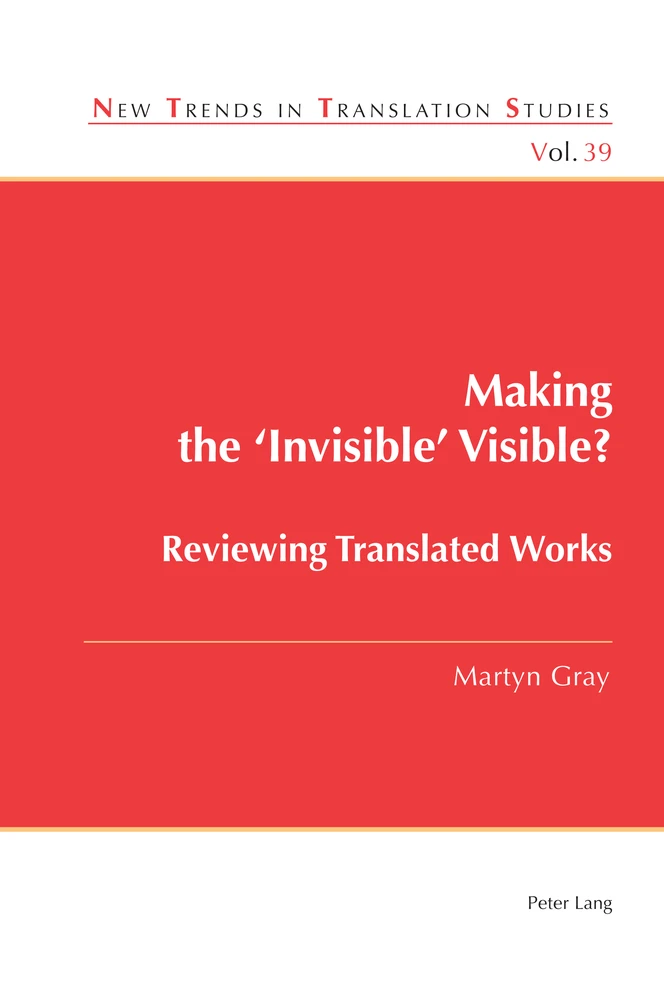
Making the ‘Invisible’ Visible? Reviewing Translated Works (2024) by Martyn Gray
An examination of some of the criteria against which translated fictional and non-fictional works are assessed. It not only provides a novel cross-cultural insight into reviewing practices, assessing how translations are reviewed differently in the United Kingdom, France and Germany, but also compares how reviewers for different platforms assess translated works, from a popular platform open to reviews from the general public, through mainstream broadsheets and cultural supplements, to specialised literary magazines.
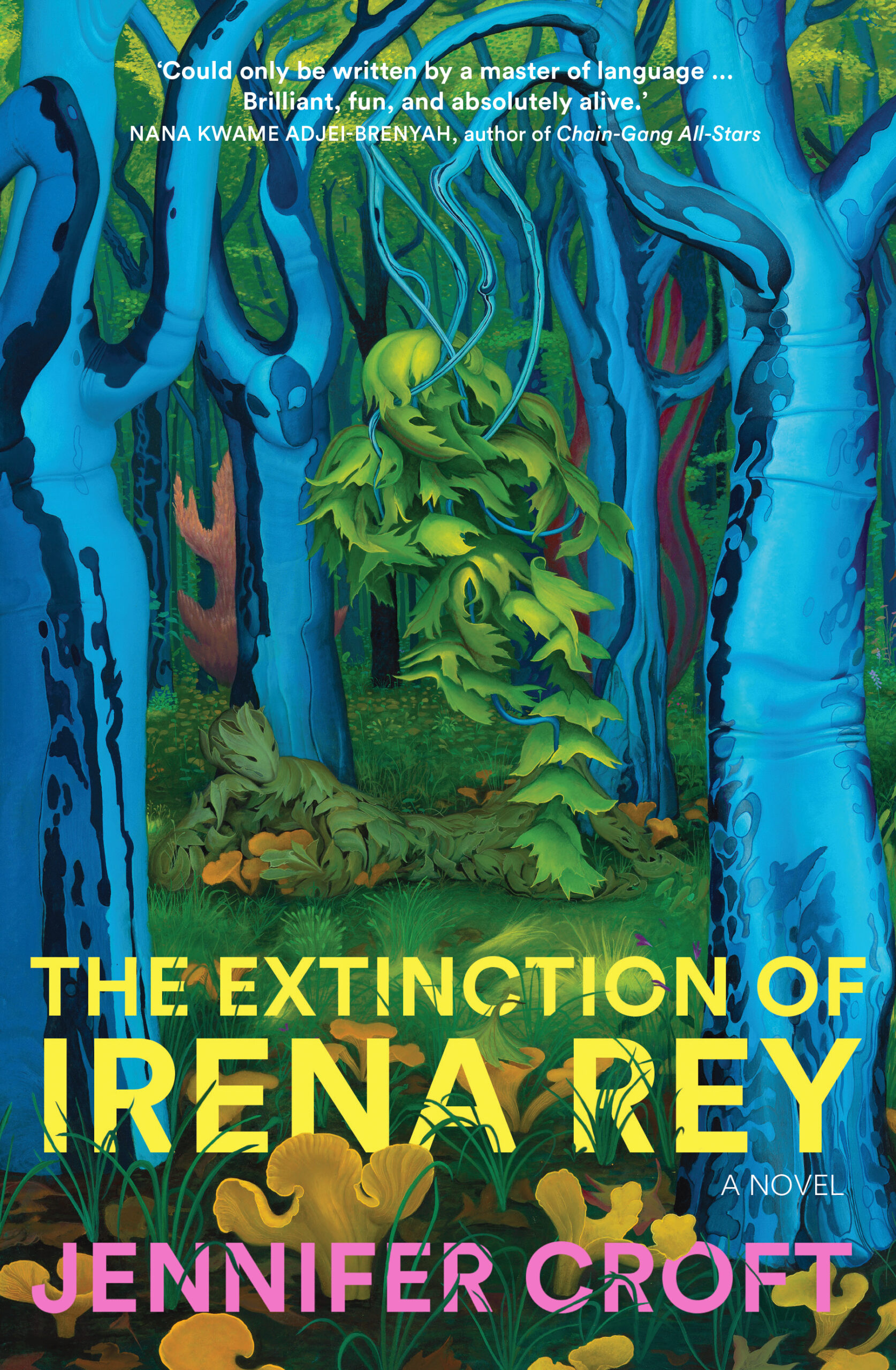
The Extinction of Irena Rey (2024) by Jennifer Croft
From the International Booker Prize–winning translator and Women’s Prize finalist, a propulsive, beguiling novel about eight translators and their search for a world-renowned author who goes missing in a primeval Polish forest. Croft’s hilarious, thought-provoking second outing is a brilliant examination of art, celebrity, the natural world, and the power of language. It is an unforgettable, unputdownable adventure with a small but global cast of characters shaken by the shocks of love, destruction, and creation in one of Europe’s last great wildernesses.
(You can read Elvira Bianchi’s review in our July issue here.)
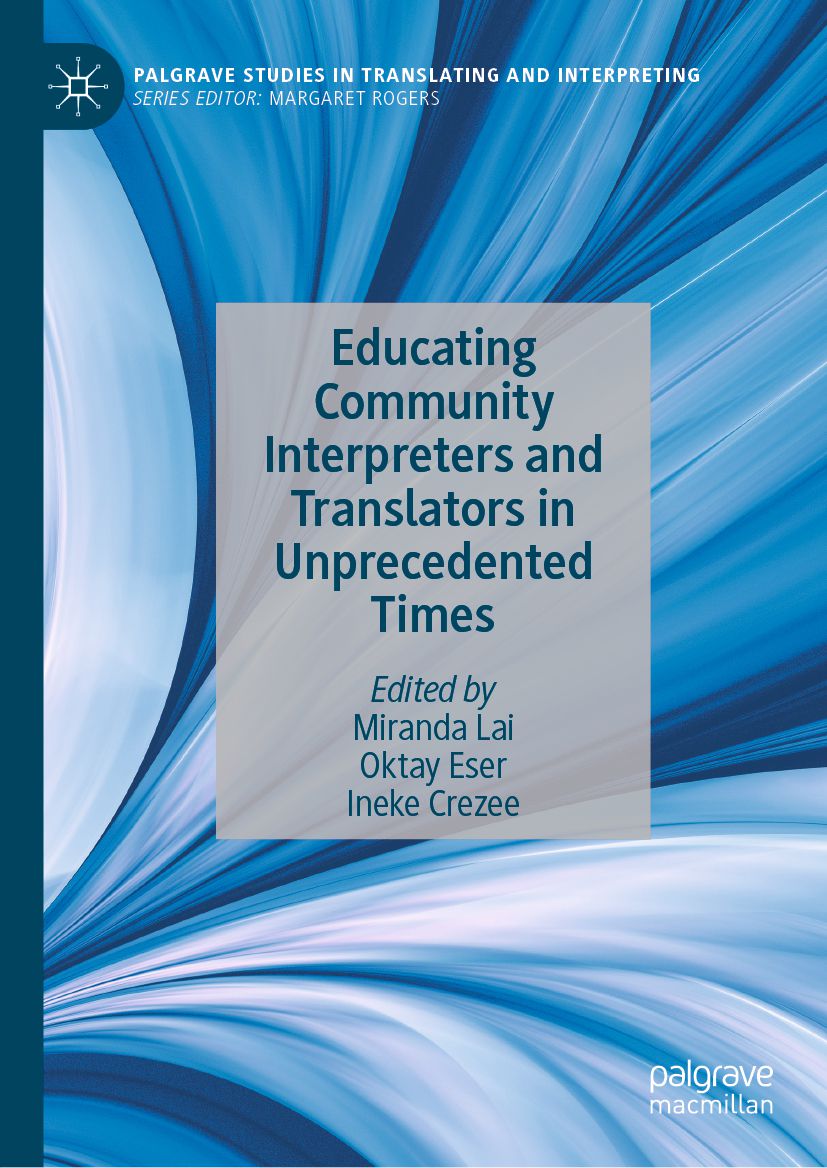
Educating Community Interpreters and Translators in Unprecedented Times (2023) edited by Miranda Lai, Oktay Eser and Ineke Crezee
T&I educators from around the world discuss changes to teaching, assessment and practice that resulted from the COVID-19 pandemic, providing a comprehensive picture of educators’ responses to challenges and opportunities.
(Co-edited by AUSIT member Miranda Lai. You can read Ron Witton’s review in our April issue here.)
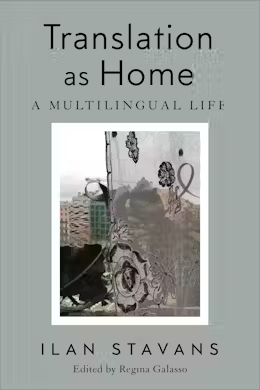
Translation as Home: A Multilingual Life (2024) by Ilan Stavans
A collection of autobiographical essays that eloquently and unequivocally make the case that translation is not only a career, but a way of life, dealing with Stavans’s three selves: Mexican, Jewish, and American. The volume presents his recent essays, some previously unpublished, addressing the themes of language, identity, and translation and emphasising his work in Latin American and Jewish studies. It also features conversations between Stavans and writers, educators, and translators, including Regina Galasso, the author of the introduction and editor of the volume.
(You can read a review of this book by Jemma Ives in our next issue.)
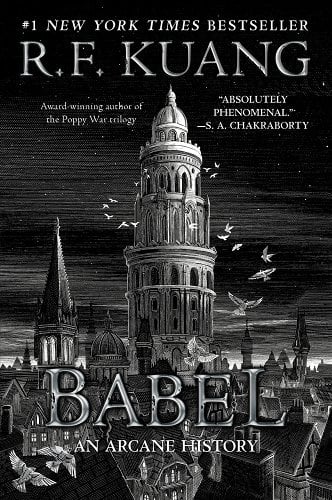
Babel: Or the Necessity of Violence: An Arcane History of the Oxford Translators’ Revolution (2022) by RF Kuang
(Winner, Blackwell’s Book of the Year for Fiction (2022) and the Nebula Award for Best Novel (2022), plus a New York Times Bestseller.)
Oxford, 1836. The city of dreaming spires. It is the centre of all knowledge and progress in the world. And at its centre is Babel, the Royal Institute of Translation. The tower from which all the power of the Empire flows. Orphaned in Canton and brought to England by a mysterious guardian, Babel seemed like paradise to Robin Swift. Until it became a prison … But can a student stand against an empire? An incendiary new novel from an award-winning author about the power of language, the violence of colonialism, and the sacrifices of resistance.
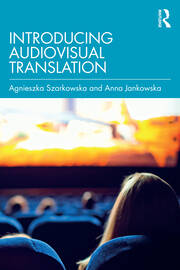
Introducing Audiovisual Translation (2024) by Agnieszka Szarkowska and Anna Jankowska
A user-friendly textbook offering comprehensive insights into all facets of audiovisual translation and media localisation. This comprehensive guide spanning seven chapters begins by introducing audiovisual translation (AVT), goes on to explore the historical backdrop, and highlights the distinctions from traditional written text translation. The authors expertly navigate you through the primary AVT modalities: interlingual subtitling, dubbing, voice-over, subtitling for the deaf and hard of hearing, live subtitling, and audio description.
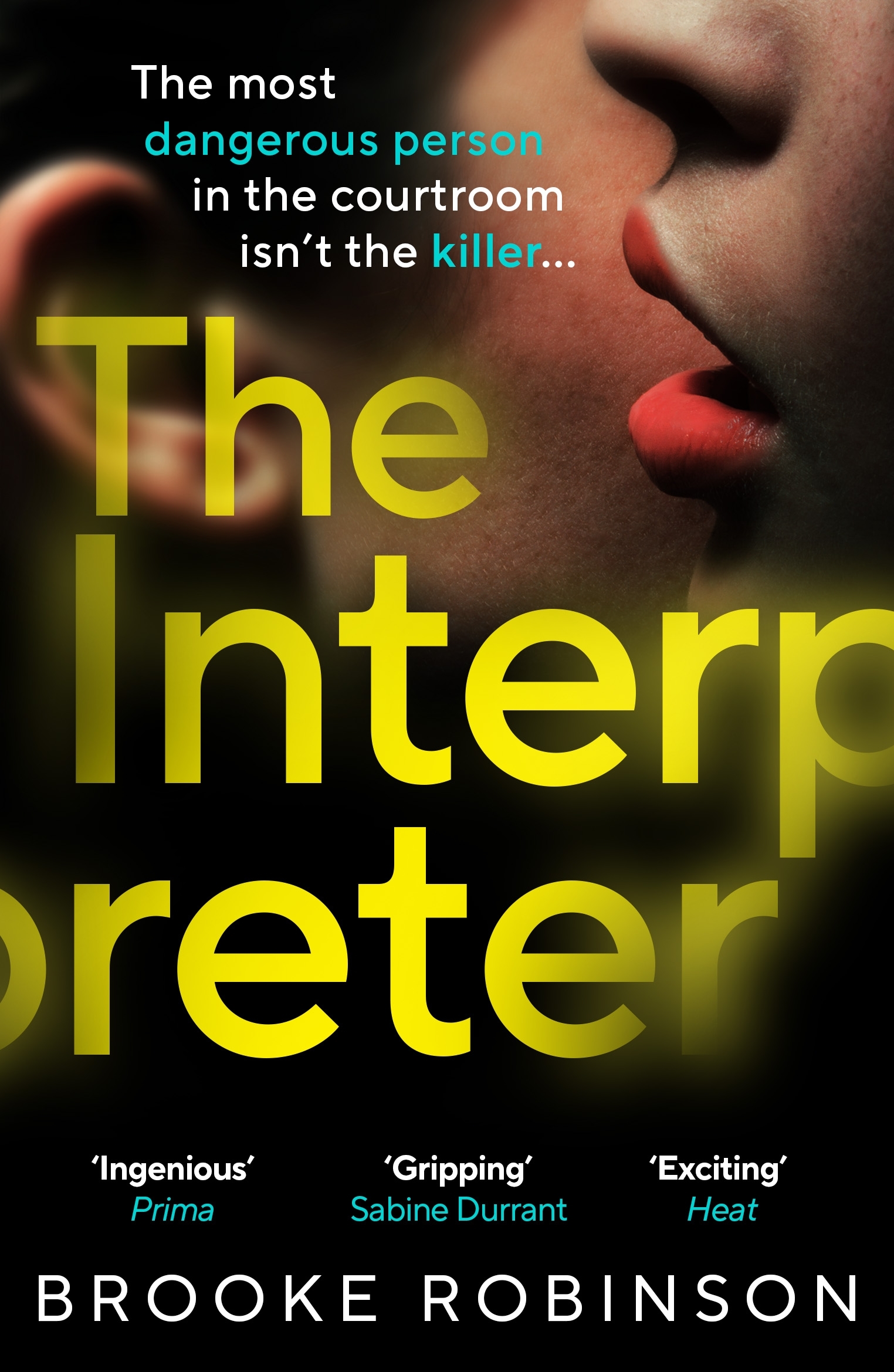
The Interpreter (2024) by Brooke Robinson
Single mother Revelle Lee is an interpreter who spends her days translating for victims, witnesses and the accused across London. Only she knows what they’re saying. Only she knows the truth. When she believes a grave injustice is about to happen, and a guilty man is going to be labelled innocent, she has the power to twist an alibi to get the verdict she wants. She’s willing to risk it all to do what’s right. But when someone discovers she lied, Revelle finds the cost might be too high … and she could lose everything, including her son.
(You can read Daniel Collado Sanz’s review in our April issue here.)
Drunk On All Your Strange New Words (2022) by Eddie Robson
Lydia works as translator for the Logi cultural attaché to Earth. They work well together, even if translating his thoughts into English makes her somewhat wobbly on her feet. She’s not the agency’s best translator, but what else is she going to do? She has no qualifications and no discernible talent in any other field. So when tragedy strikes and Lydia finds herself at the centre of an intergalactic incident, her future work prospects look dire – that is, if she can keep herself out of jail! But Lydia soon discovers that help can appear from the most unexpected source …
The Power of Language: Multilingualism, Self and Society (2024) by Viorica Marian
An acclaimed psycholinguist reveals how language shapes our brain – and moulds the way we look at the world. Why should we learn more than one language? Can it change the way we think? Does it have the power to transform how we see the world? Drawing on cutting-edge research and theory, delivered with wit and lucid insight, psycholinguist Viorica Marian explores the ways in which the mind uses multiple languages and how, in doing so, we can open the doors to unique forms of creativity, brain health and cognitive control.
for court interpreters to report incidents or issues that occur in court interpreting assignments.
Purpose and function of this information submission form.
This form enables you to report issues or problems that you encounter in the course of court interpreting assignments. These issues and problems will be collected by AUSIT to report to the JCCD (the Judicial Council on Cultural Diversity) to monitor the implementation of the Recommended National Standards. The reporting of these issues and problems enables AUSIT to work with the JCCD to suggest steps to address these issues and to avoid the repetition of these problems in the future.
"*" indicates required fields
Share This
Select your desired option below to share a direct link to this page