For Students, Educators & Researchers
Thinking of studying translation and/or interpreting?
Why become a Student Member of AUSIT?
AUSIT Language Divisions
AUSIT Engage (community engagement hub)
AUSIT Mentoring Program
AUSIT Student Excellence Awards (annual)
AUSIT Student Translation Competition (annual)
Resources and Grants for Researchers
AUSIT’s Educational Affiliates
Videos & Podcasts
For Practitioners
The Benefits of being a Member of AUSIT
Join AUSIT: Application Form
AUSIT Engage (community engagement hub)
Guidelines and Resources for Practitioners
The AUSIT Code of Ethics
Professional Development
AUSIT Mentoring Program
Webinars
Free NAATI-Sponsored Webinars (conditions apply)
AUSIT Events
In Touch magazine
AUSIT Language Divisions
Blogs (including past President’s Newsletters)
Videos & Podcasts
AUSIT Awards and Fellowships
The Sydney Declaration (AUSIT National Conference Statement 2023)
Interpreter Feedback Form and Reports: experiences in courts and tribunals
In 2025, our three keynote sessions focus on engagement: T&I practitioners’ (and AUSIT’s) engagement with other professions and with clients from language communities, across three domains: the law, health care, and ‘community’ translation (translation done with the active involvement of the language communities).
Judicial Officers working with interpreters: Implications for access to justice
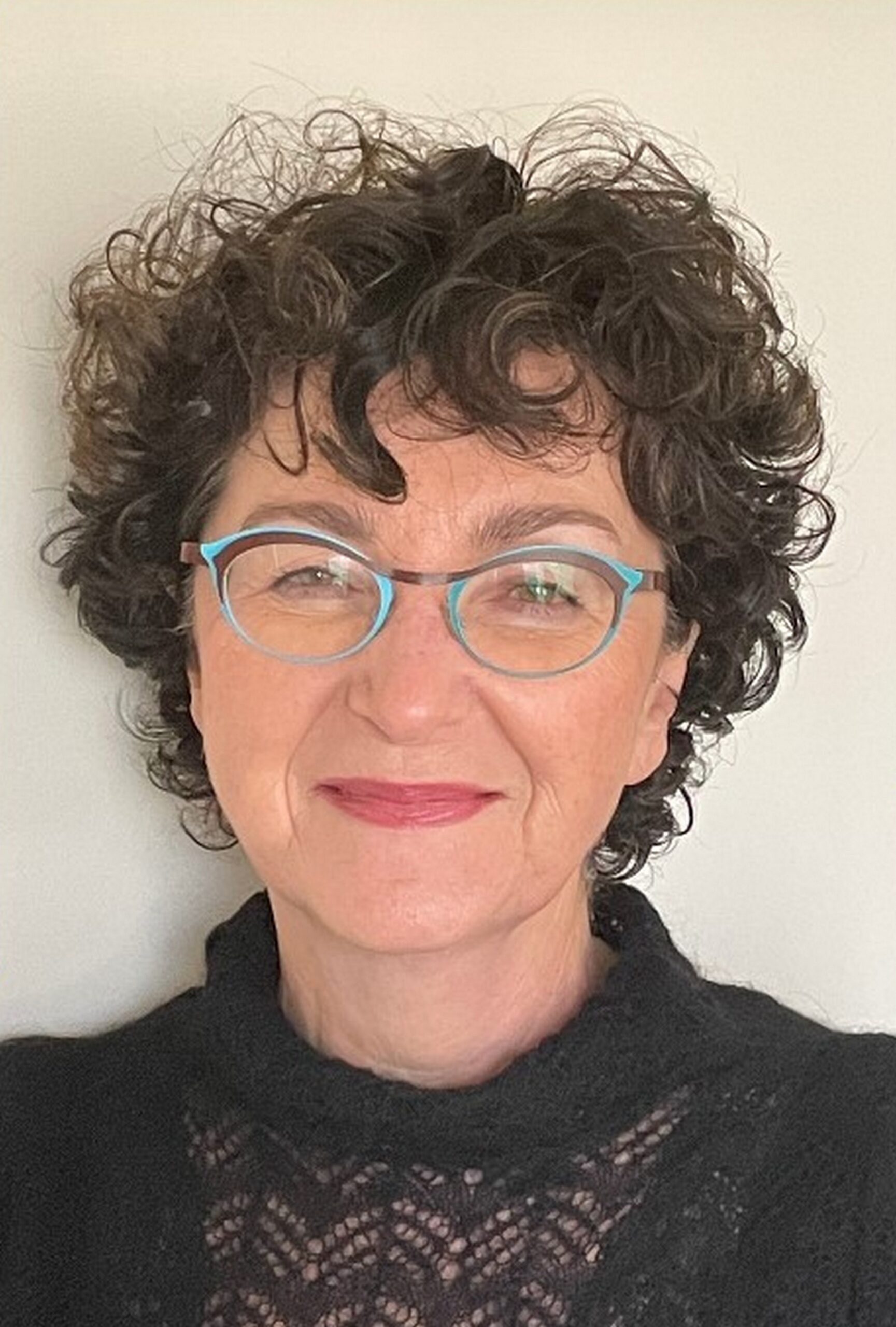
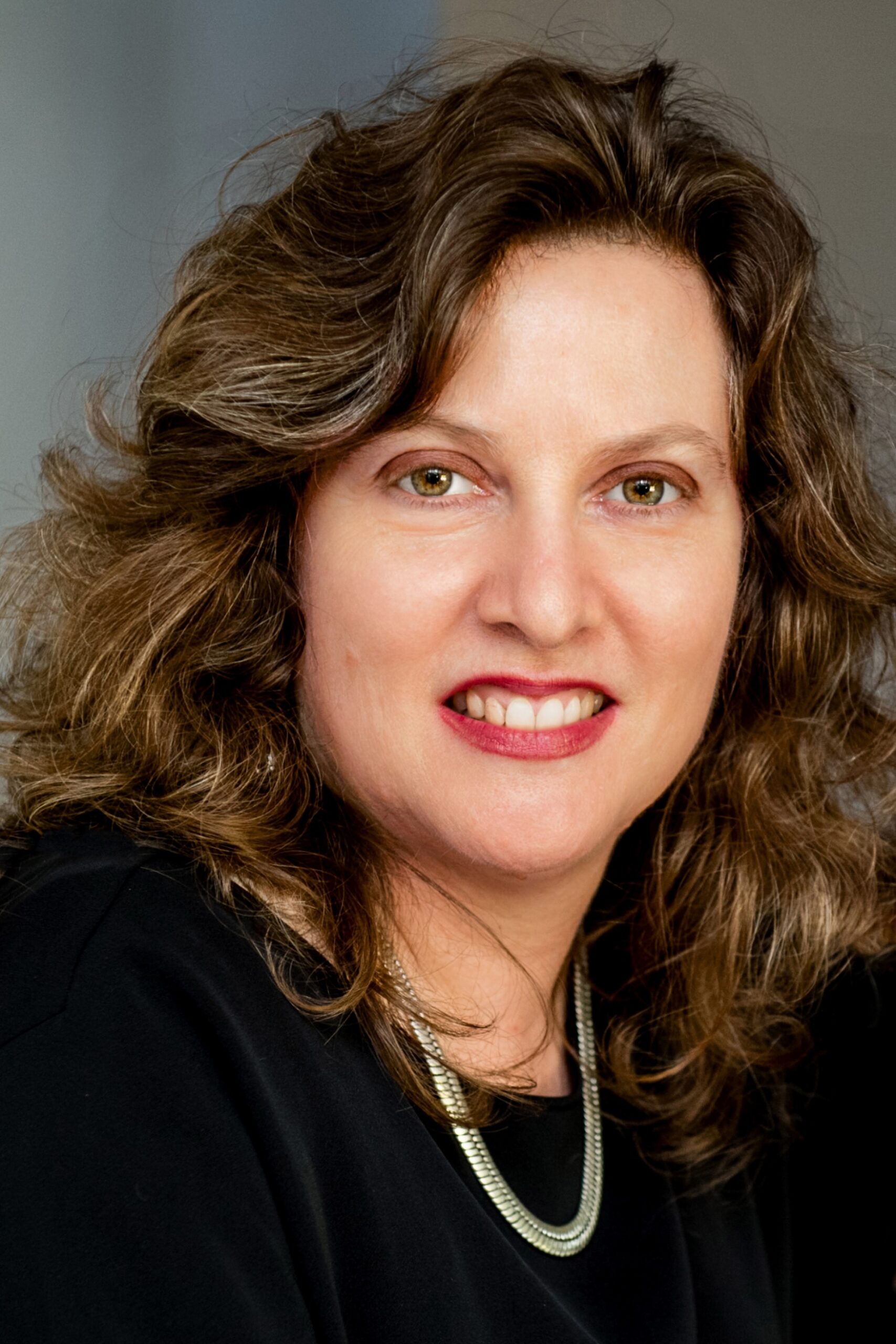
PROFESSORS LUDMILA STERN, SANDRA HALE, STEPHEN DOHERTY and MEL SCHWARTZ (University of NSW), along with DR JULIE LIM (University of Technology Sydney), will present their ARC project Judicial Officers working with interpreters: Implications for access to justice. A brief introduction outlining the project will be followed by five short presentations: Prof. Doherty will begin by providing the results of the analysis of nationwide judicial decisions that involve interpreters and sometimes lead to limited access to justice and even appeals. Prof. Stern and Prof. Hale will then, in turn, discuss how judicial officers (JOs) can ensure effective interpreted communication in domestic criminal proceedings, and the implementation of policies, strategies and practices to facilitate access to justice. Prof. Stern will cover this aspect from the perspective of JOs and researchers, and Prof. Hale from that of interpreters. Dr Julie Lim will then discuss the ways in which JOs work with interpreters in First Nations languages in the Northern Territory, and lastly, Prof. Schwartz will link the results of the study with the implications of the above strategies to access to justice and procedural fairness.
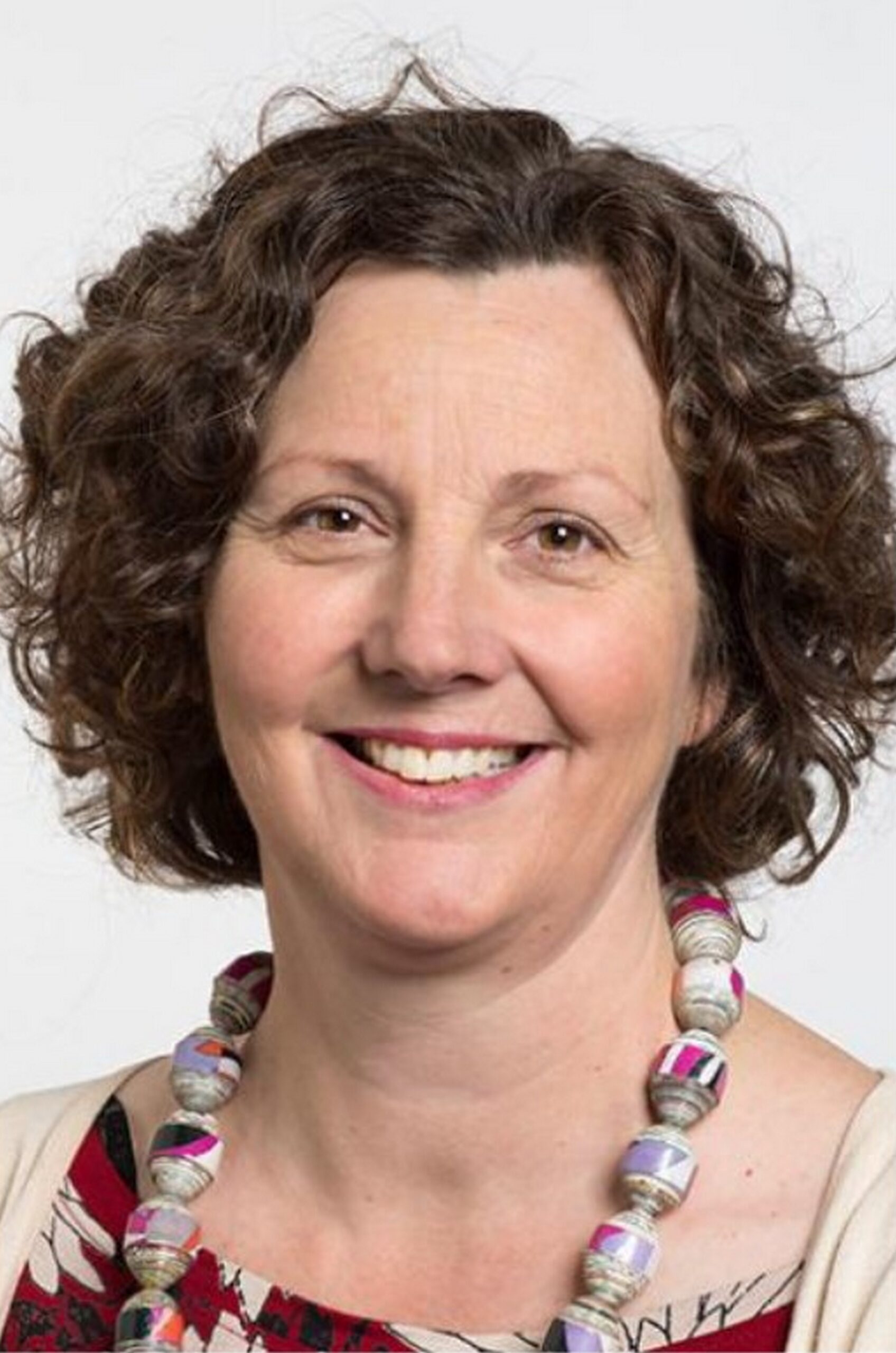
… is Professor of Interpreting at UNSW Sydney, and founded UNSW’s Master of Interpreting and Translation course, for which she received Vice-Chancellor’s and Dean’s Awards for Excellence in Teaching. An interpreter and translator, she was a NAATI Board Director (2010–16); chaired the NAATI Advisory Committee (2017–20); and is a member of the Standing Committee for Legal Translation of the International Federation of Translators (FIT).
Prof. Stern’s research into international and domestic court interpreting includes being leading Chief Investigator in the above project, and ‘From the Nuremberg Trials to the International Criminal Court: Interpreting in War Crimes Prosecutions.’ She is the author of publications on court interpreting and the monograph Western Intellectuals and the Soviet Union, 1920–1940 (2007).
Presentations include: Judicial Commission of NSW / Bar Association of NSW / National Judicial College of Australia / Australasian Institute of Judicial Administration / NSW DPP / WA Supreme Court judges / WA tribunals / AAT/ART / ICTY / ICC plus academic and AUSIT conferences.
… is Convenor of the Interpreting & Translation programs at UNSW Sydney, where she teaches interpreting in community, legal and conference settings. She holds a BA in T&I, a Diploma of Education, a master’s in applied linguistics and a PhD in court interpreting / forensic linguistics. She was awarded a Doctorate Honoris Causa by the University of Antwerp for her research into community interpreting; is the sole author of two books: The Discourse of Court Interpreting (2004/2010) and Community Interpreting (2007); has co-authored four other books; and has written numerous journal articles and book chapters.
Prof. Hale was one of the main contributing authors of the Recommended National Standards for Working with Interpreters in Courts and Tribunals, has many years’ experience as a NAATI-credentialled Spanish interpreter and translator, and continues to practice as a conference interpreter in international settings. She is regularly invited to international conferences as a plenary/keynote speaker, and has delivered numerous presentations to the judiciary, tribunal members and other legal professionals on how to work with interpreters.
… is a professor in the UNSW Faculty of Arts, Design and Architecture, where he is also Deputy Dean (Education) and leads the Language Processing Research Lab. His research investigates human language processing and technology, particularly in machine and audiovisual translation. His work has been supported by the Australian Research Council, Department of Defence, DFAT, Science Foundation Ireland, the European Commission, NAATI, NSW Health, Enterprise Ireland, and a diverse range of other government and industry collaborators, including Facebook, Microsoft and the Australian Federal Police.
Presentations include: International Media for All Conference / International Cognitive Load Theory Conference / Machine Translation Summit / International Association for Translation and Intercultural Studies / Association for Machine Translation in the Americas / Association for Computational Linguistics / Languages & The Media / Language Resources and Evaluation Conference / International Conference on Community Translation / International Association of Applied Linguistics / Localization World / Globalisation and Localization Association Annual Conference
… is Deputy Dean (Education), Faculty of Law and Justice, UNSW Sydney. She teaches and convenes courses in criminal and advanced criminal law, teaches into the faculty’s Indigenous programs, and convenes the criminal justice stream (Humanities Pathway Program).
Prof. Schwartz is currently a Chief Investigator on three ARC Discovery grants: the ‘Rethinking Community Sanctions’ Project (exploring alternatives to imprisonment); research into access to justice for Indigenous people in civil and family law; and an ARC Linkage grant exploring the role of the judge in facilitating access to justice when interpreters are used in criminal courts. She has recently completed three further ARC grants: a Linkage grant exploring the civil and family law needs of Australian Aboriginal and Torres Strait Islander people; the Australian Justice Reinvestment Project; and the Youth Punishment Project.
She has been awarded the UNSW Vice Chancellor’s Award for Teaching Excellence (2009) and President’s Award for Embraces Diversity 2010); was runner up in the Respect category (2017); and was highly commended in the LexisNexis–ALTA Awards for Innovation in the Teaching of Law (2010).
… is a lecturer in the School of International Studies and Education, University of Technology Sydney, where she teaches subjects related to multilingualism and English as a second language in the TESOL and Applied Linguistics program. Her research focuses on qualitative inquiry to examine linguistico-cultural challenges of people whose community, education or professional experiences are undermined by limited proficiency in or access to language. She was previously the research associate for the Australia Research Council Linkage Project.
Recent presentations include co-presentations with Prof. Ludmila Stern: ‘Corridors, docks and legal chambers: Accessing interpreters and accessing justice in First Nations languages in the Northern Territory’ (37th AUSIT National Conference, RMIT, Melbourne, 2024); and with G Eckert (2024): ‘NESTS and NNESTS: Debunking the myths to rethink, reshape and redefine excellence in ELT’ (NEAS 2024 Management Conference, UTS Sydney).
The Guide for Clinicians Working with Interpreters – Six Years On
PROFESSOR CHRISTINE PHILLIPS will present on the topic The Guide for Clinicians Working with Interpreters – Six Years On, describing how The Guide and associated Competency Standards for Clinicians were developed, and the extent to which the two documents have had an effect on the healthcare sector’s use of interpreters and translators. Prof. Phillips will reflect on challenges to interpreting in the health sector through the COVID pandemic, and opportunities which have opened up after the pandemic in telehealth interpreting. Prof. Phillips will conclude by considering the Australian guide as a key source document for the World Health Organisation’s Guide for Health Workers working with Migrants and Refugees.
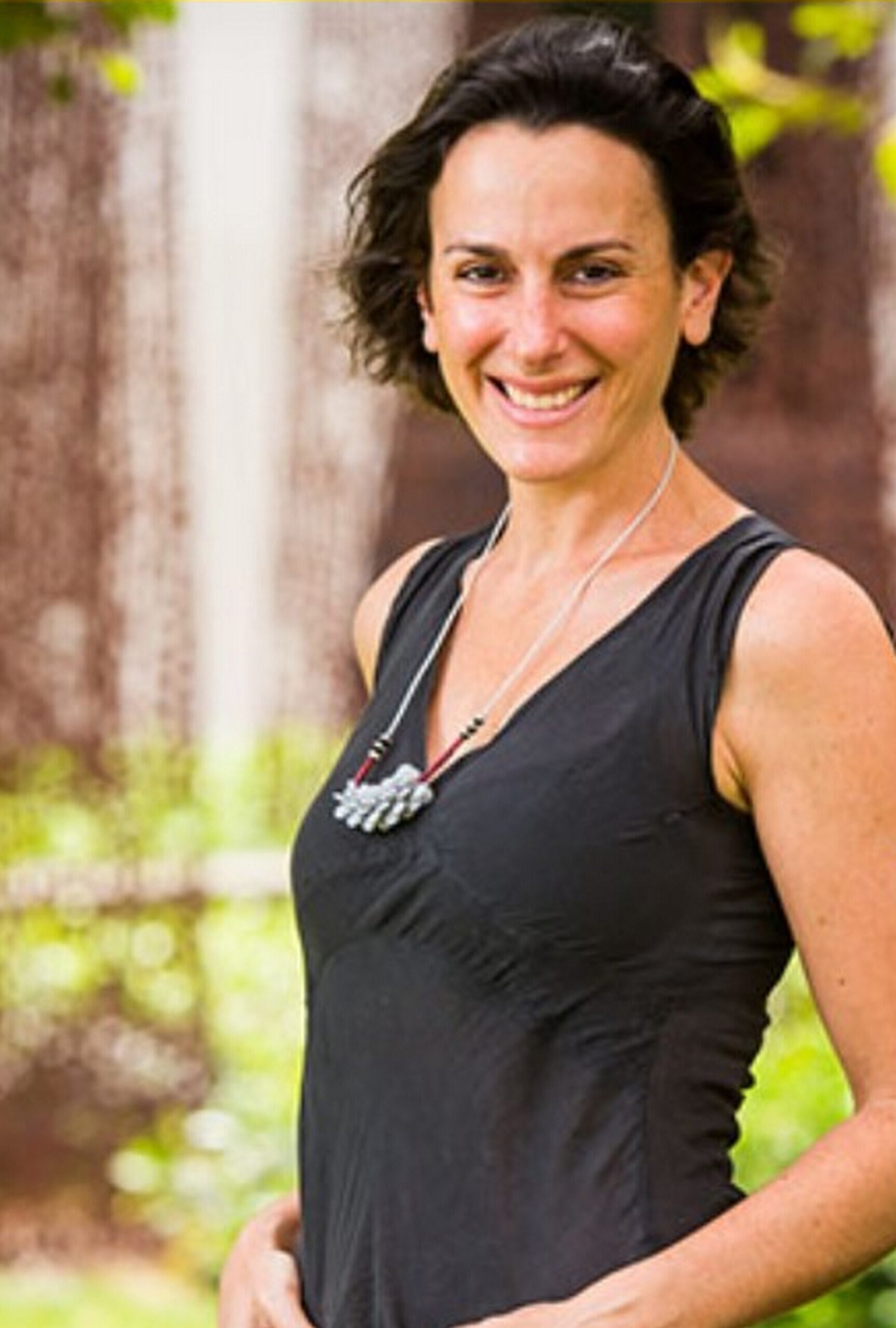
… is a general practitioner and health services researcher who teaches social sciences and medicine at the School of Medicine and Psychology, Australian National University (ANU) and conducts research into health systems, quality and equity, with an emphasis on translational research to improve health care.
She has been Medical Director of Companion House Medical Service for over two decades; is a past chair and co-founder of the Refugee Health Network of Australia; has advised UNHCR, the World Health Organisation (WHO), the Migration Council of Australia, and state and federal departments; and led the development of WHO competency standards and curriculum guides for health workers working with refugees and migrants (2021), and for health workers to support people’s self-care (2023).
Christine was made a Member of the Order of Australia (2020) for services to medical education, refugee and migrant health and medicine. She holds several awards for her work in education, plus the ANU International Women’s Day Award for gender equity (2012); an ACT Health Australia Day Award (2010); Rotary Australia Evaluation of Rural Health Award (2008); and the JG Crawford Medal, ANU (1999). Her work in refugee health led to her inclusion in the National Library of Australia’s Australian Women’s Archive project.
Community Translation: engaging with communities, governments and other stakeholders
PROFESSOR MUSTAPHA TAIBI will speak on the topic Community Translation: engaging with communities, governments and other stakeholders. When public services communicate with their multicultural and multilingual audiences through translated content, translation quality and effectiveness are essential to the success of communication campaigns. Community translation quality is multi-faceted, needs to be addressed at different stages (before, during and after the translation process itself), and must involve the different stakeholders (education providers, governments, language service providers, translators and community members). In this presentation, Prof. Taibi will stress the shared responsibility in ensuring optimal translations for communities and the importance of community feedback and collaboration between the language service industry and other stakeholders. He will focus on the need for engagement with government departments and services and with relevant CALD communities as users of community translations. In doing so, he will look back at initiatives, achievements and research findings in the last five years and forward at what needs to happen to improve the current situation of community translations.
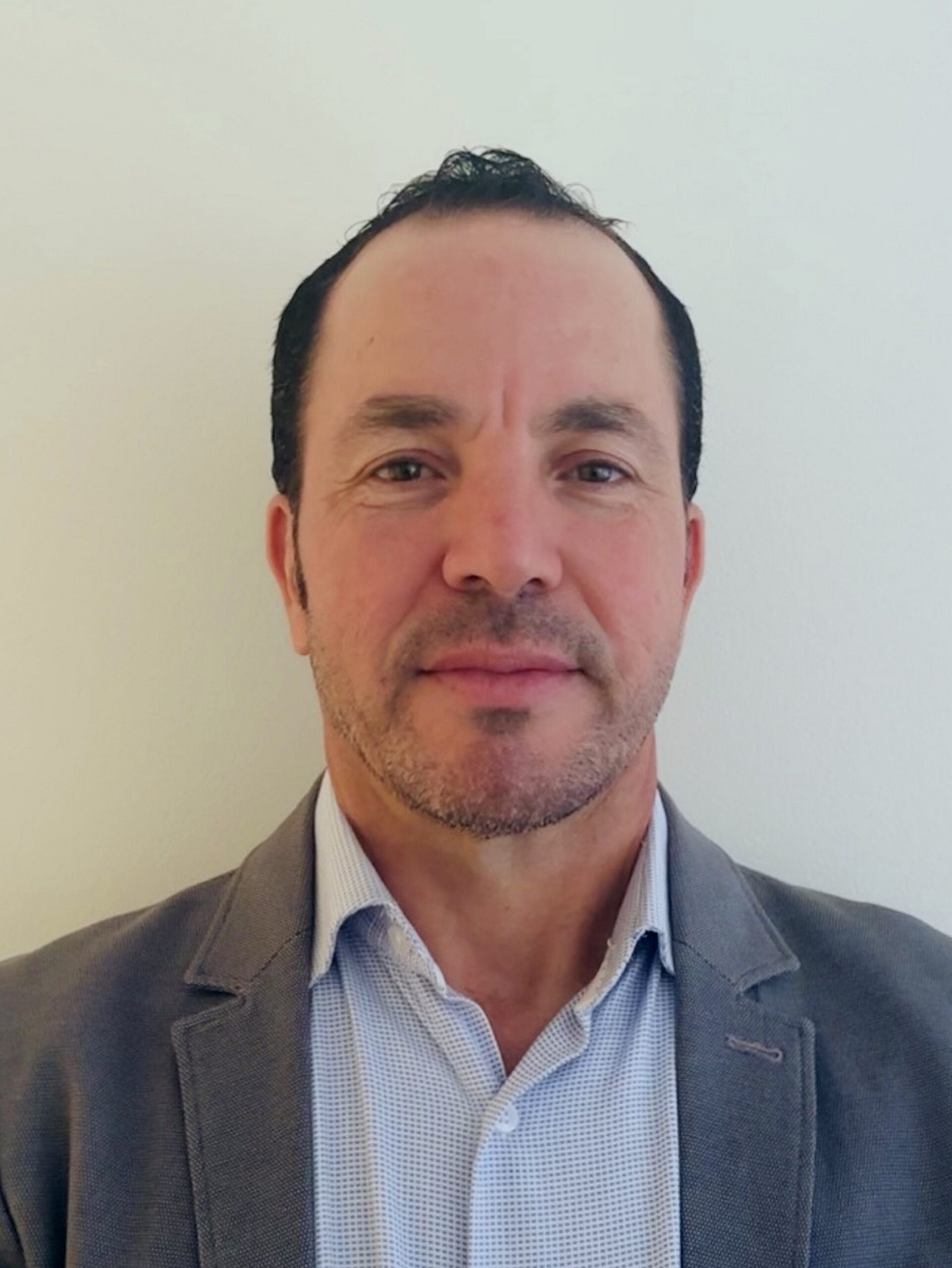
… teaches interpreting and translation at Western Sydney University, leads the International Community Translation Research Group, and edits Translation & Interpreting: The International Journal of Translation and Interpreting Research. The books he has authored/co-authored include: Community Translation (with Uldis Ozolins, 2016), New Insights into Arabic Translation and Interpreting (2016), Translating for the Community (2018), Multicultural Health Translation, Interpreting and Communication (with Meng Ji and Ineke Crezee, 2019), Translating Cultures: An Introduction for Translators, Interpreters and Mediators (with David Katan, 2021) and Translation and Community (2025). Mustapha also led the development of the following AUSIT–FECCA resources:
… and is currently on the working group revising the AUSIT Code of Ethics.
The State of Australia’s T&I sector – a view from the councils of our ethnic communities
Since 1992, AUSIT has presented this lecture in honour of the late JILL BLEWETT‘s contribution to the Australian T&I community. You can read more about Jill Blewett and her legacy here.
This 1980 photo of Jill Blewett is located in the State Library of South Australia (SLSA). As the SLSA has been unable to determine who holds the copyright, we are publishing it in good faith. If you own the copyright and are not happy with its use here, please contact us.
MARY ANN GERONIMO will speak on the topic The state of Australia’s T&I sector – a view from the councils of our ethnic communities. [further details coming soon!]
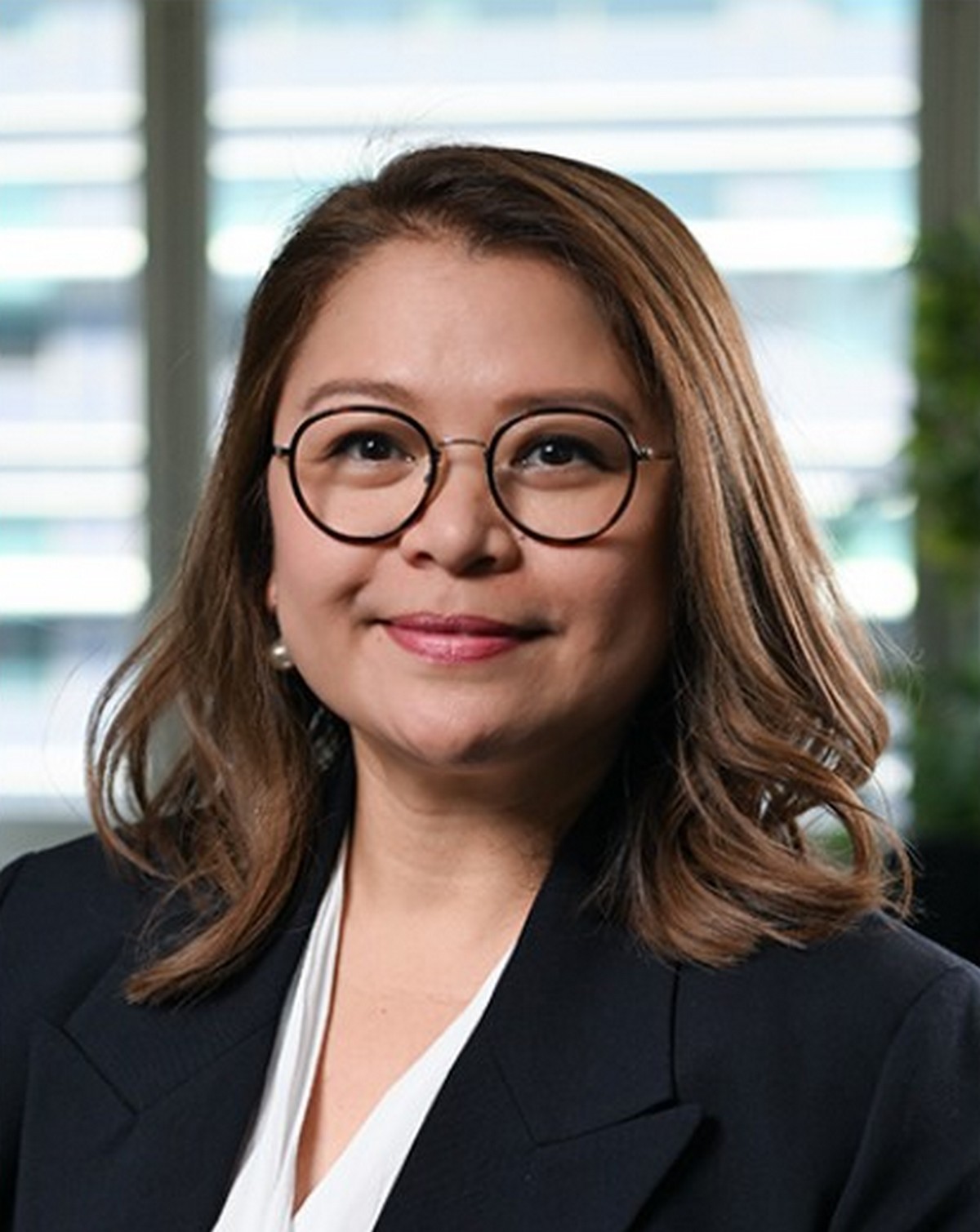
Mary Ann’s early NGO work involved leading a post-conflict reconstruction program in the Southern Philippines and fostering partnerships for UN Millennium Development Goals. She spearheaded projects enhancing community-based care and women’s financial security across six countries in East and Southeast Asia for a decade, including founding the Regional Learning Network on Women’s Financial Security.
Mary Ann’s academic credentials were honed as a Lee Kuan Yew Scholar at the National University of Singapore, where she completed her master’s in public policy and administration. She has co-authored works on ethnography, ageing and multicultural public health communications, notably a cross-country study on older women’s financial security in Southeast Asia.
At FECCA (the Federation of Ethnic Communities’ Councils of Australia), in her former role as Director of Policy for Health and Ageing, Mary Ann championed equitable access for culturally diverse communities during the pandemic, in primary healthcare, and in aged care reforms. She is currently the CEO of FECCA.
ACT Minister for Multicultural Affairs Michael Pettersson
… grew up in Canberra and studied at ANU, where he was also involved in student politics (National Union of Students) and the ACT branch of Young Labor. After graduation, he worked as an organiser for the Construction, Forestry, Mining and Energy Union. Mr Pettersson was first elected to the ACT Legislative Assembly in 2016, as one of the five representatives for the northern electorate of Yerrabi, and was re-elected in 2020 and 2024. After involvement on the Standing Committee for Education and Community Inclusion, the Public Accounts Committee and the Health and Community Wellbeing Committee, on his re-election in 2024 he was appointed – in keeping with common practice in the ACT parliament – to four portfolios: Minister for Multicultural Affairs; Minister for Children, Youth and Families; Minister for Skills, Training and Industrial Relations; and Minister for Business, Arts and Creative Industries.
** PD points for conference attendance: 40. **
** A wide range of sponsorship opportunities are available. Check out our Sponsorship Prospectus, and if you are interested in becoming a sponsor, please fill out this Sponsorship EOI Form. **
** You can contact us via the button below if you have any questions regarding the conference or sponsorship. **
** The Call for Proposals is now closed. **
for court interpreters to report incidents or issues that occur in court interpreting assignments.
Purpose and function of this information submission form.
This form enables you to report issues or problems that you encounter in the course of court interpreting assignments. These issues and problems will be collected by AUSIT to report to the JCCD (the Judicial Council on Cultural Diversity) to monitor the implementation of the Recommended National Standards. The reporting of these issues and problems enables AUSIT to work with the JCCD to suggest steps to address these issues and to avoid the repetition of these problems in the future.
"*" indicates required fields
Select your desired option below to share a direct link to this page