For Students, Educators & Researchers
Thinking of studying translation and/or interpreting?
Why become a Student Member of AUSIT?
AUSIT Language Divisions
AUSIT Mentoring Program
AUSIT Student Excellence Awards (annual)
AUSIT Student Translation Competition (annual)
Resources and Grants for Researchers
AUSIT’s Educational Affiliates
Videos & Podcasts
For Practitioners
The Benefits of being a Member of AUSIT
Join AUSIT: Application Form
Guidelines and Resources for Practitioners
The AUSIT Code of Ethics
Professional Development
AUSIT Mentoring Program
Webinars
Free NAATI-Sponsored Webinars (conditions apply)
AUSIT Events
In Touch magazine
AUSIT Language Divisions
Blogs (including past President’s Newsletters)
Videos & Podcasts
AUSIT Awards and Fellowships
The Sydney Declaration (AUSIT National Conference Statement 2023)
Interpreter Feedback Form and Reports: experiences in courts and tribunals
In 2026, our keynote sessions focus on shared responsibility: between T&I practitioners, educators and researchers, and T&I industry stakeholders – including LSPs and clients, governments (state/territory and federal), the legal domain and medical services, CALD community organisations, and authors, other artists and their audiences.
Why we sell trustworthiness … and will continue to do so
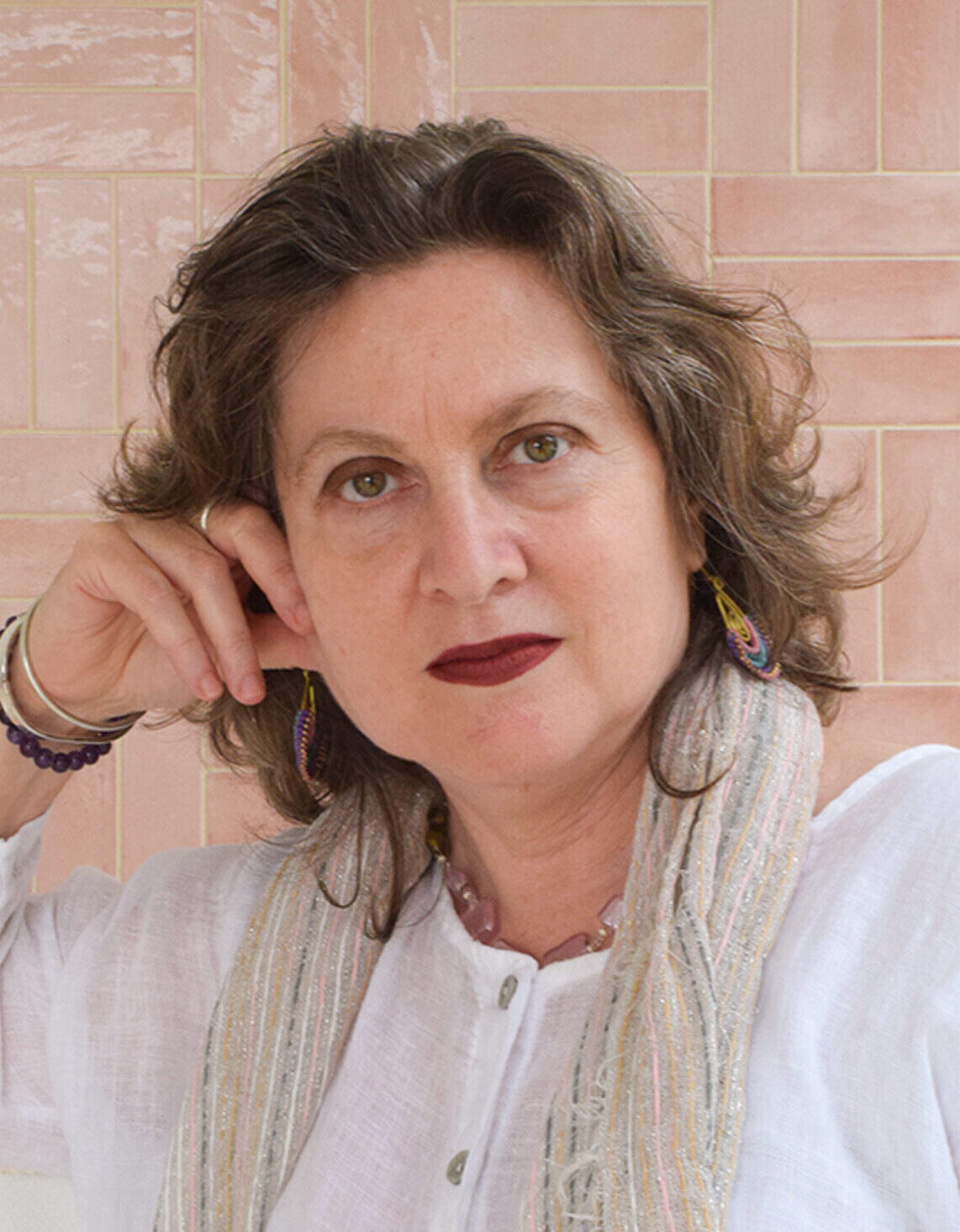
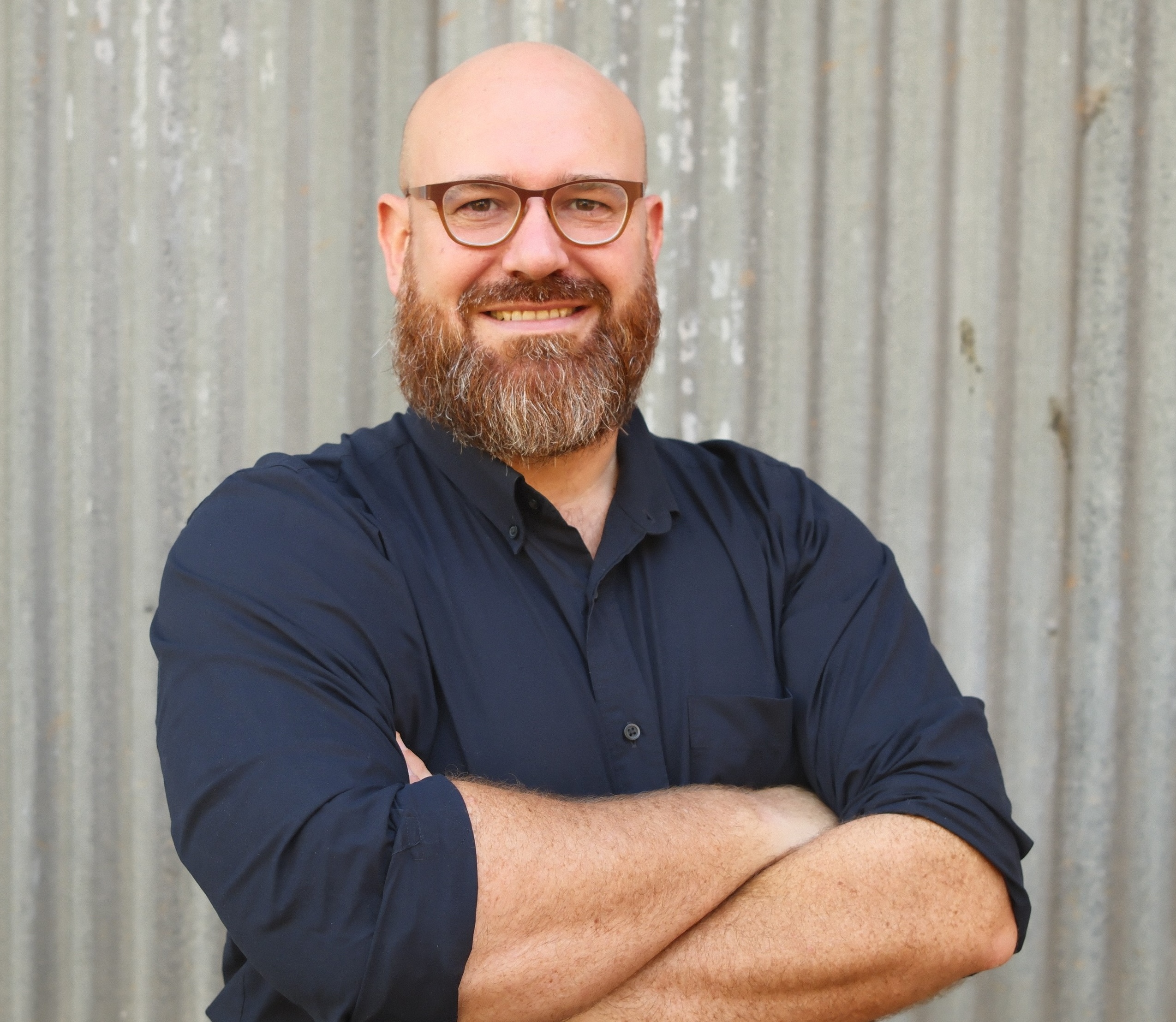
EMERITUS PROFESSOR ANTHONY PYM will present on the topic Why we sell trustworthiness … and will continue to do so. Although translators and interpreters charge by the word or the hour, clients are really paying for our credibility. The more complex the situation, the more they have to trust us; and the higher the stakes, the more they should pay, ideally.
… is Emeritus Professor at Universitat Rovira i Virgili in Spain, Honorary Research Fellow at the University of Melbourne, and Extra-ordinary Professor at Stellenbosch University in South Africa. An internationally recognised scholar in translation and intercultural studies, he is widely known for his influential work on translation theory, translator ethics, intercultural communication and, more recently, risk management in translation and the applications of artificial intelligence.
Professor Pym has authored, co-authored and edited more than 30 books and hundreds of scholarly publications, with his work cited extensively by researchers worldwide. He served as President of the European Society for Translation Studies from 2010 to 2016 and has held other prestigious appointments including Fellow of the Catalan Institution for Research and Advanced Studies (ICREA), Visiting Professor at the Middlebury Institute of International Studies, and Walter Benjamin Visiting Professor at the University of Vienna.
Sharing the responsibility for the ethical and effective use of Artificial Intelligence in providing access to non-English speakers to health services in Emergency Departments – the TRIBOT project
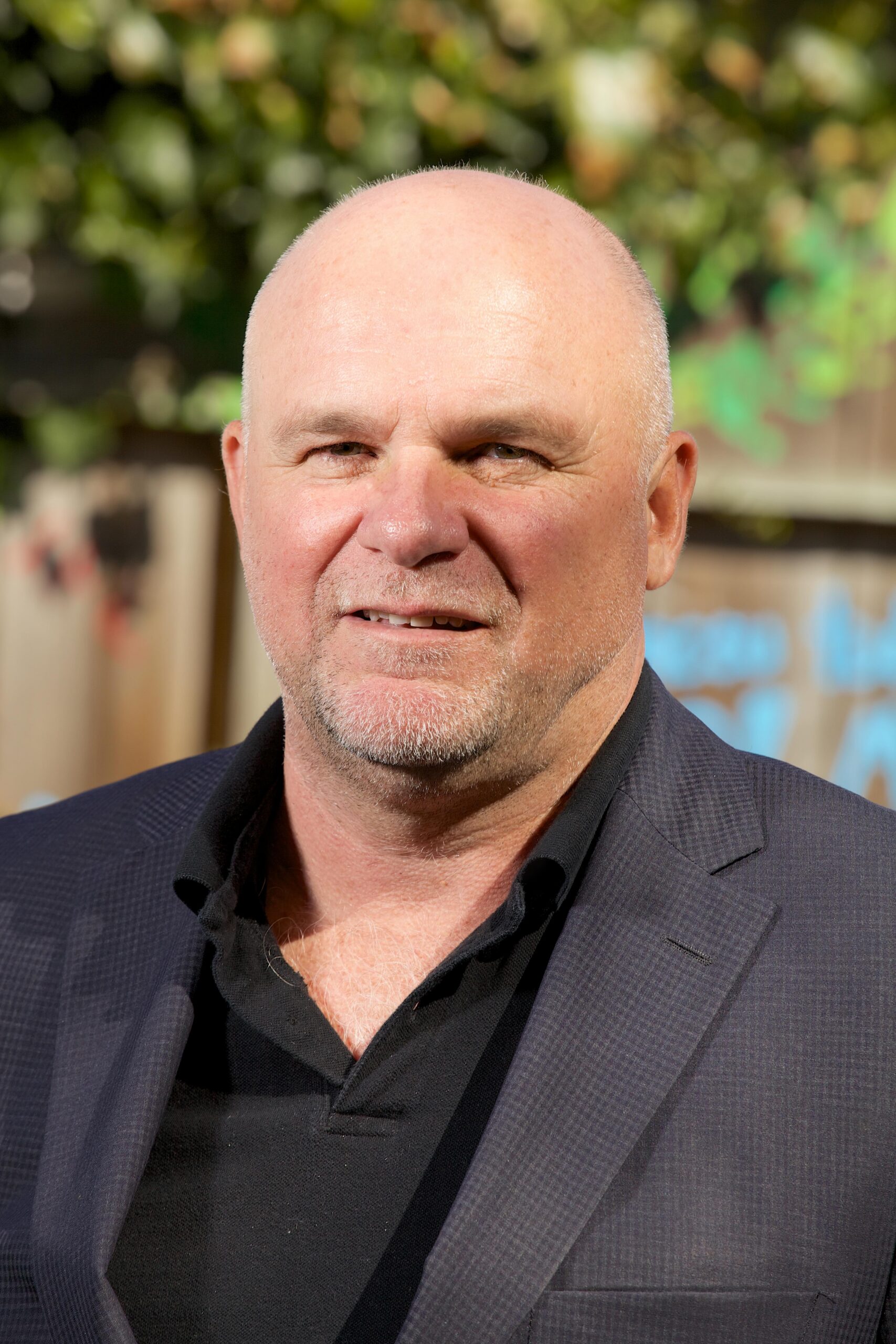
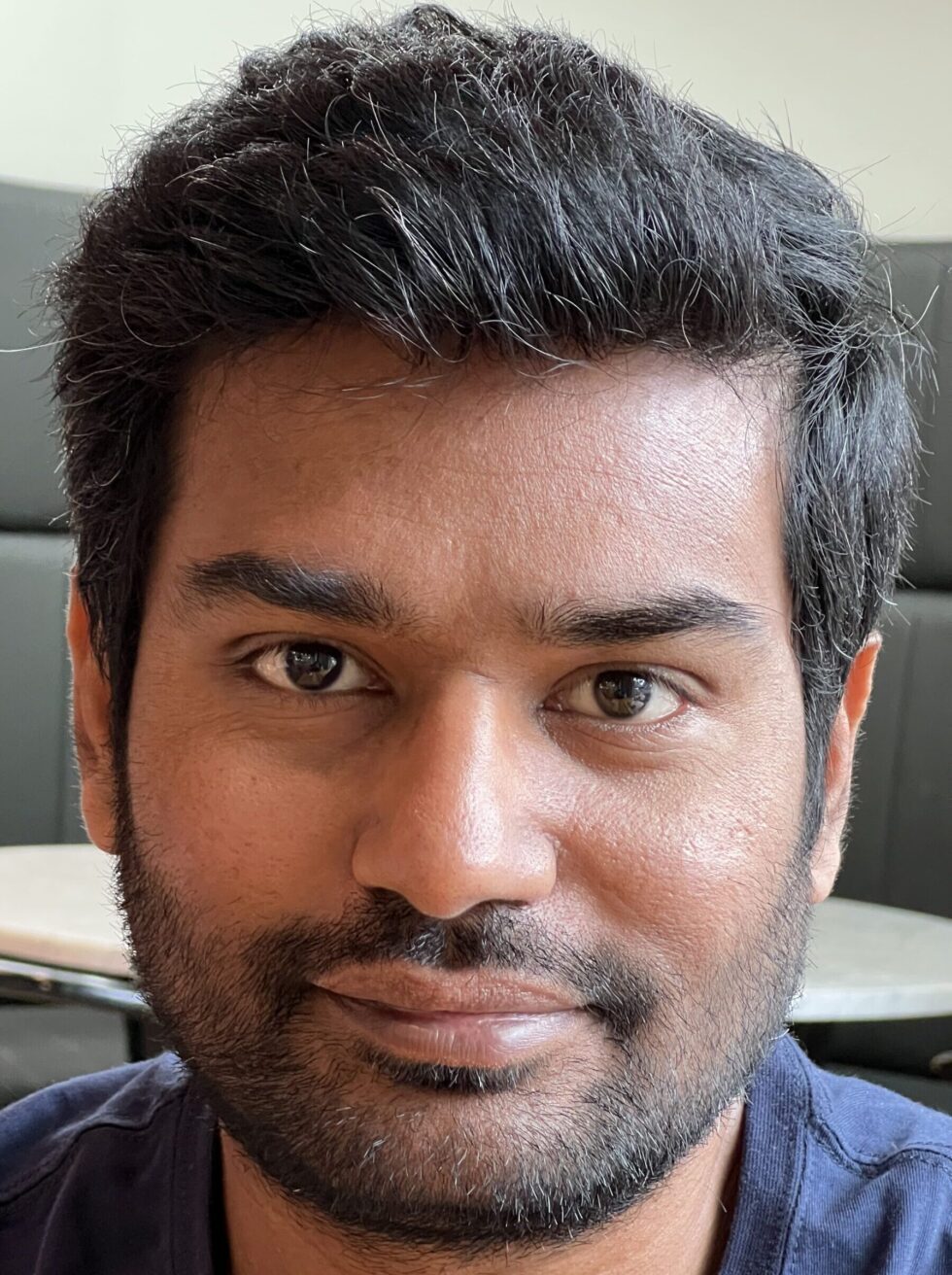
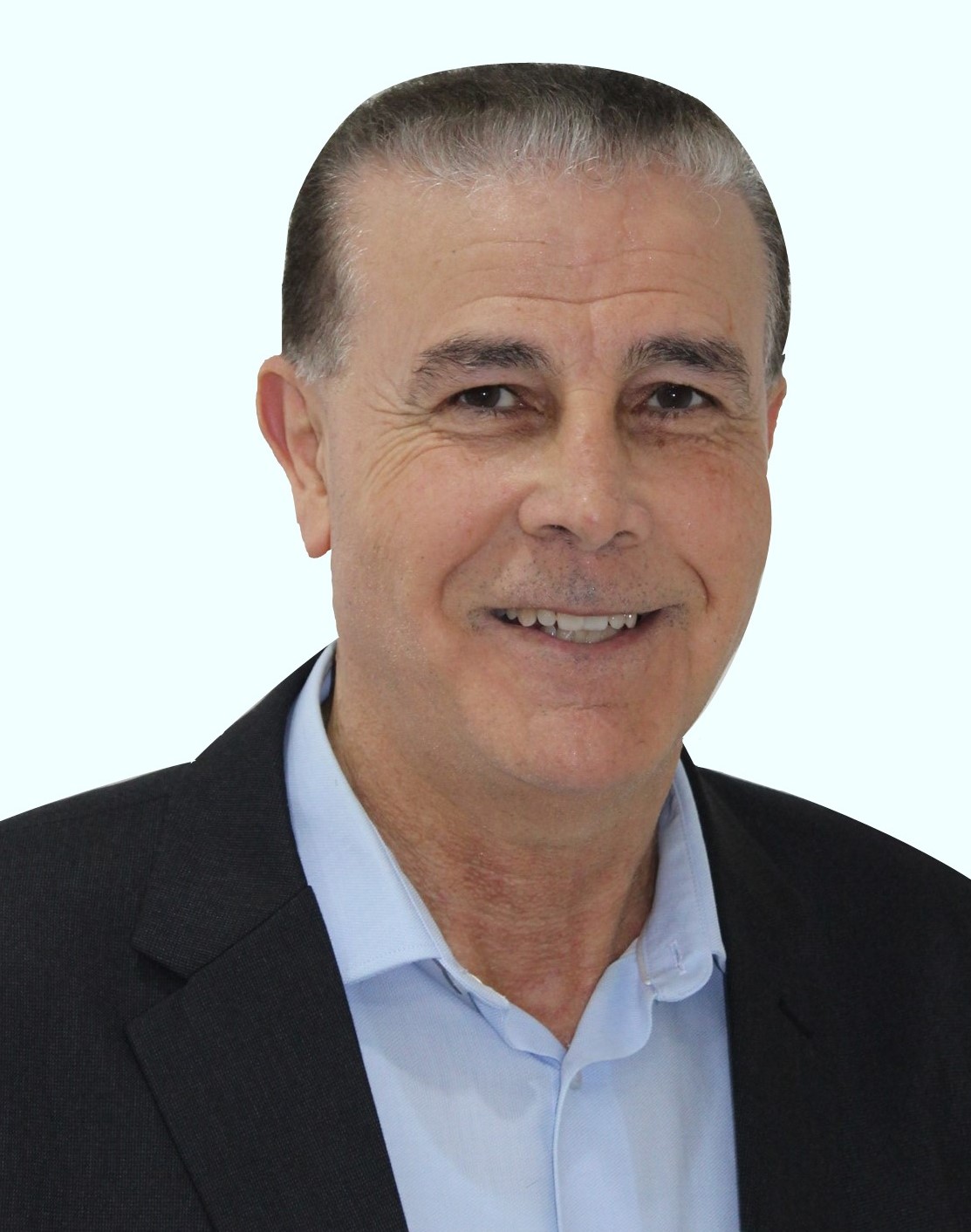
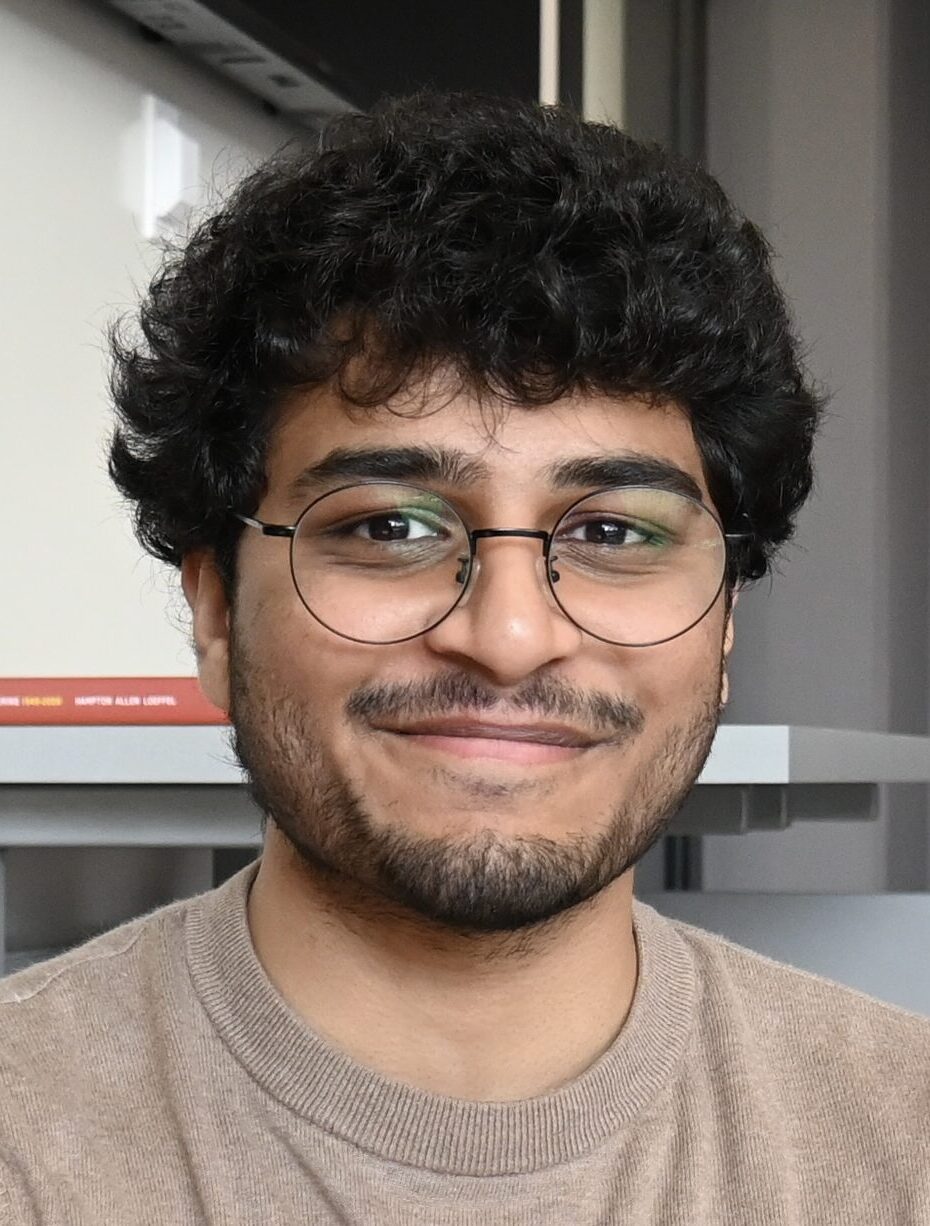
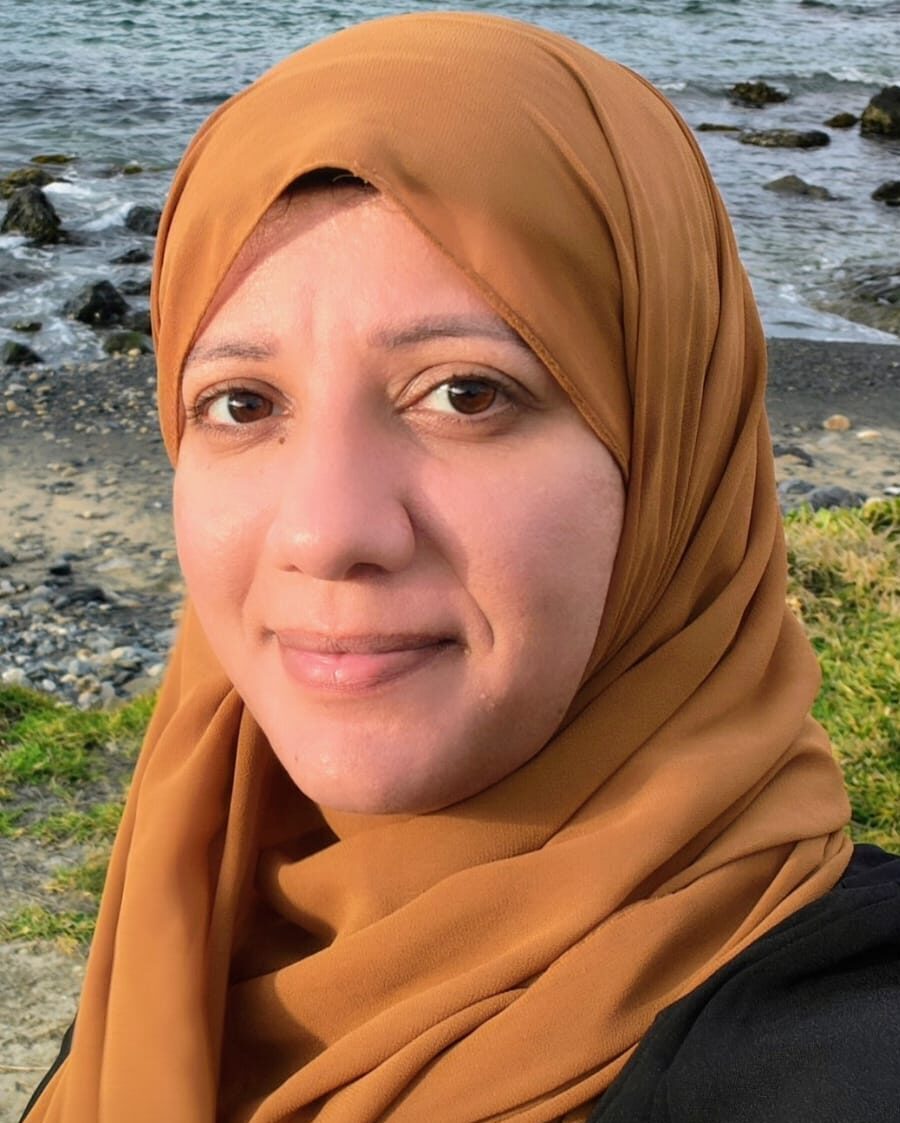
DR PADMANESAN NARASIMHAN, PROFESSOR SANDRA HALE, SAM HOBALLAH and DIPANKAR SRIRAG (University of NSW) will present on the topic Sharing the responsibility for the ethical and effective use of Artificial Intelligence in providing access to non-English speakers to health services in Emergency Departments – the TRIBOT project. Every second counts in Emergency Departments. For non-English speakers, unavailability of interpreters can delay care, increase risk and worsen outcomes. A multidisciplinary team is testing the capability of a purpose-built AI bot to interpret between triage nurses and patients. This presentation will give an overview of the project and show preliminary results of TRIBOT’s capabilities.
… is a Senior Lecturer and Lead for Digital Health and AI at the School of Population Health, UNSW Medicine and Health, and a practising Medical Officer in Emergency Medicine at Bankstown-Lidcombe Hospital. His research sits at the intersection of multilingual communication, clinical AI and health equity. He leads the TRIBOT program – an NHMRC-funded multilingual conversational AI triage assistant designed to support Arabic-speaking patients with limited English proficiency across Western Sydney emergency departments. The project brings together a multidisciplinary team of clinicians, linguists, AI researchers and community representatives to ensure both clinical safety and communicative accuracy. Dr Narasimhan holds a PhD from UNSW, is a Fellow of the Australasian Institute of Digital Health, and is an Advanced Trainee in Public Health Medicine with the Royal Australasian College of Physicians. He has over 50 peer-reviewed publications and approximately $9 million in career research funding.
… is Director of the Interpreting & Translation programs at UNSW Sydney. She holds a BA in T&I, a Diploma of Education, a master’s in applied linguistics, a PhD in court interpreting / forensic linguistics, and a Doctorate Honoris Causa. She is the sole author of The Discourse of Court Interpreting (2004/2010) and Community Interpreting (2007), co-author of four other books and has over 100 other publications. Professor Hale was AUSIT National President from 2014 to 2017, and is an AUSIT Fellow and a Fellow of the Australian Academy of the Humanities. She is a NAATI-certified conference interpreter, is regularly invited to international conferences as a keynote speaker, and has delivered numerous presentations on how to work with interpreters. She is currently one of the Chief Investigators of the TRIBOT project, leading the linguistic team.
… is a NAATI-certified English–Arabic interpreter and translator and a PhD candidate. After completing a degree in computer engineering and a long career in information technology, he transitioned in 2014 into linguistics – interpreting and translation. He has since completed two master’s degrees in the field, and is pursuing a PhD in court interpreting at Western Sydney University. Sam’s interest in linguistics began as an undergraduate student in Sofia, Bulgaria, where he worked for two years as a casual Bulgarian–Arabic translator. Recognised for his expertise in court interpreting, he has been invited on several occasions to present to members of the Administrative Review Tribunal (formerly the Administrative Appeals Tribunal) on effective ways to work with interpreters. His current practice and research work focus on court interpreting and AI-assisted interpreting and translation. Sam is currently working as one of the Arabic language experts on the TRIBOT project.
… is a PhD candidate in computer science and engineering at the University of New South Wales (UNSW) Sydney, where he conducts research at the intersection of natural language processing, multilingual AI and large language models (LLMs). His work focuses on developing language technologies that are robust across dialects and languages, with applications spanning machine translation, conversational AI, healthcare and inclusive language technologies. His research has been published at leading venues including ACL, NAACL, COLING and INTERSPEECH, and has been supported by the NHMRC and Google Research. Alongside his research, Dipankar teaches neural networks, deep learning and algorithms at UNSW, and serves as a reviewer for premier AI conferences including NeurIPS, ACL Rolling Review and WWW.
** Information about more keynotes to come – watch this space! **
Topic and speaker: TBA
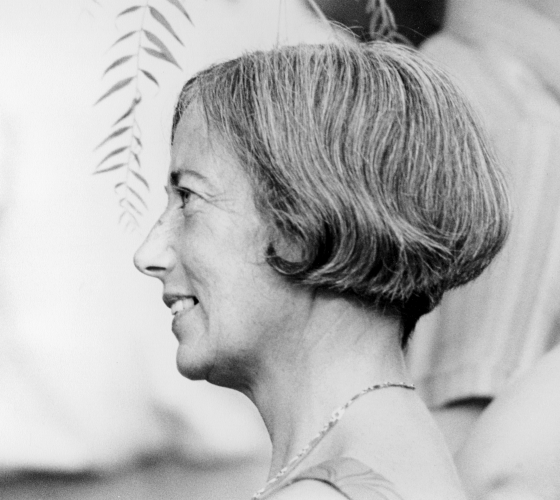
Since 1992, AUSIT has presented this lecture in honour of the late JILL BLEWETT‘s contribution to the Australian T&I community. You can read more about Jill Blewett and her legacy here.
This 1980 photo of Jill Blewett is located in the State Library of South Australia (SLSA). As the SLSA has been unable to determine who holds the copyright, we are publishing it in good faith. If you own the copyright and are not happy with its use here, please contact us.
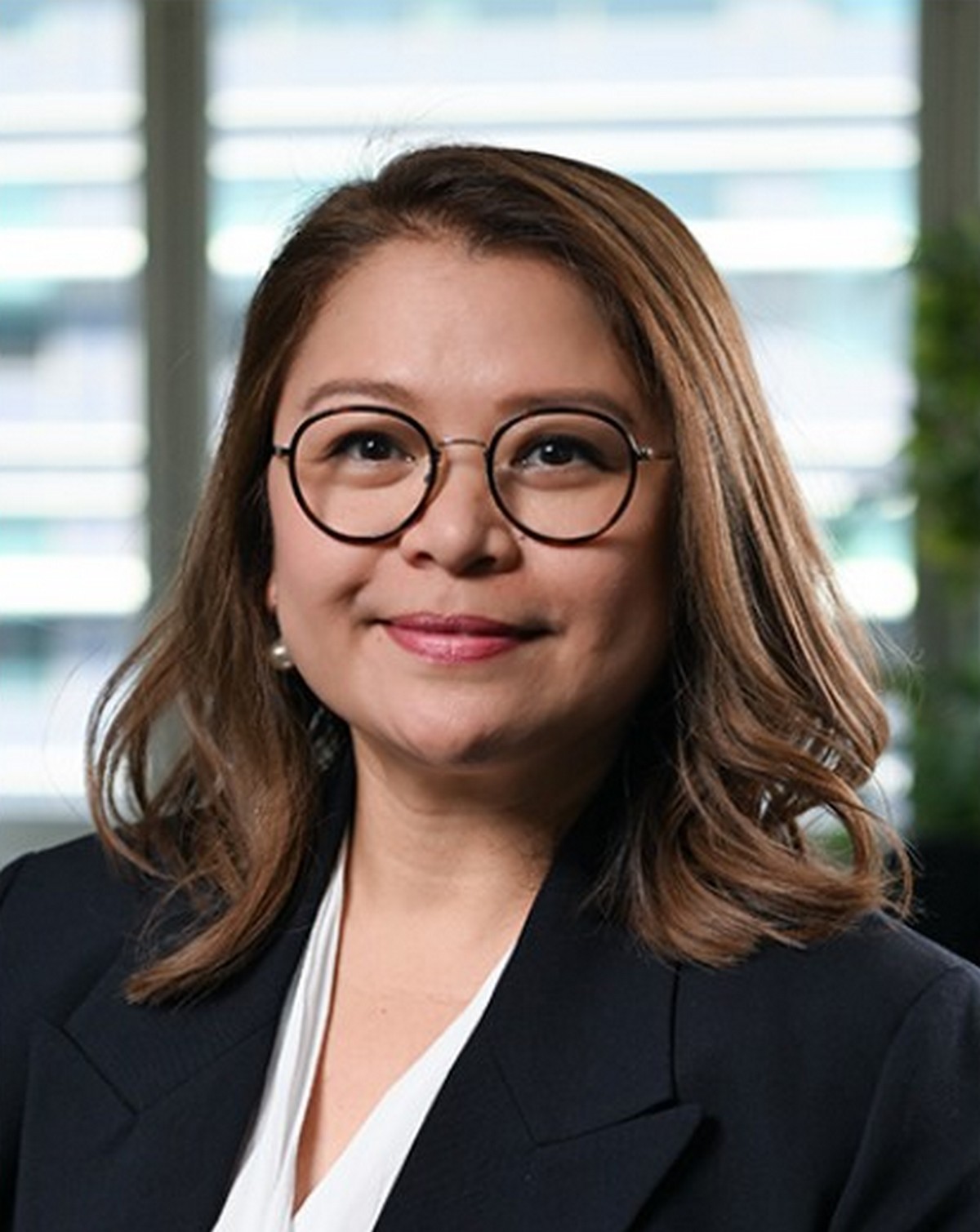
MARY ANN GERONIMO will speak on the topic The state of Australia’s T&I sector – a view from the councils of our ethnic communities. [further details coming soon!]
Mary Ann’s early NGO work involved leading a post-conflict reconstruction program in the Southern Philippines and fostering partnerships for UN Millennium Development Goals. She spearheaded projects enhancing community-based care and women’s financial security across six countries in East and Southeast Asia for a decade, including founding the Regional Learning Network on Women’s Financial Security.
Mary Ann’s academic credentials were honed as a Lee Kuan Yew Scholar at the National University of Singapore, where she completed her master’s in public policy and administration. She has co-authored works on ethnography, ageing and multicultural public health communications, notably a cross-country study on older women’s financial security in Southeast Asia.
At FECCA (the Federation of Ethnic Communities’ Councils of Australia), in her former role as Director of Policy for Health and Ageing, Mary Ann championed equitable access for culturally diverse communities during the pandemic, in primary healthcare, and in aged care reforms. She is currently the CEO of FECCA.
** PD points for conference attendance: 40. **
** A wide range of sponsorship opportunities will soon be available. Watch this space! **
** The biennial Paul Sinclair Award for Outstanding Contribution to AUSIT will be awarded during the Conference Dinner on Thursday 19 November. You can find out more about this award and how to nominate an individual or group here. **
** You can contact us via the button below if you have any questions regarding the conference or sponsorship, or if you would like to register your interest in becoming a sponsor now. **
** The Call for Proposals is now open – see button above. **
** PD points for conference attendance: 40. **
** A wide range of sponsorship opportunities will soon be available. Watch this space! **
** The biennial Paul Sinclair Award for Outstanding Contribution to AUSIT will be awarded during the Conference Dinner on Thursday 19 November. You can find out more about this award and how to make a nominate an individual or group here. **
** You can contact us via the button below if you have any questions regarding the conference or sponsorship. **
** The Call for Proposals will open soon. **
** PD points for conference attendance: 40. **
** The Call for Proposals is now open – see button at top of page. **
** A wide range of sponsorship opportunities are available. Check out our Sponsorship Prospectus, and if you are interested in becoming a sponsor, please fill out this Sponsorship EOI Form. **
** The biennial Paul Sinclair Award for Outstanding Contribution to AUSIT 2026 will be awarded during the Conference Dinner on Thursday 19 November. You can find out more about this award and how to nominate an individual or group here. **
** You can contact us via the button below if you have any questions regarding the conference or sponsorship. **
for court interpreters to report incidents or issues that occur in court interpreting assignments.
Purpose and function of this information submission form.
This form enables you to report issues or problems that you encounter in the course of court interpreting assignments. These issues and problems will be collected by AUSIT to report to the JCCD (the Judicial Council on Cultural Diversity) to monitor the implementation of the Recommended National Standards. The reporting of these issues and problems enables AUSIT to work with the JCCD to suggest steps to address these issues and to avoid the repetition of these problems in the future.
"*" indicates required fields
Select your desired option below to share a direct link to this page