
For Students, Educators & Researchers
Thinking of studying translation and/or interpreting?
Why become a Student Member of AUSIT?
AUSIT Language Divisions
AUSIT Mentoring Program
AUSIT Student Excellence Awards (annual)
AUSIT Student Translation Competition (annual)
Resources and Grants for Researchers
AUSIT’s Educational Affiliates
Videos & Podcasts
For Practitioners
The Benefits of being a Member of AUSIT
Join AUSIT: Application Form
Guidelines and Resources for Practitioners
The AUSIT Code of Ethics
Professional Development
AUSIT Mentoring Program
Webinars
Free NAATI-Sponsored Webinars (conditions apply)
AUSIT Events
In Touch magazine
AUSIT Language Divisions
Blogs (including past President’s Newsletters)
Videos & Podcasts
AUSIT Awards and Fellowships
The Sydney Declaration (AUSIT National Conference Statement 2023)
Interpreter Feedback Form and Reports: experiences in courts and tribunals

With this year’s conference running Wednesday to Friday, why not stay the weekend and see more of Adelaide and its famous surrounds?
The Conference Organising Committee has put together the following list of their top tips for visitors:
Adelaide Central Market is ranked the third best food market in the world, and the best undercover market in the Southern Hemisphere.
Click on the title above to find out more.
Tandanya is recognised as Australia’s leading Aboriginal and Torres Strait Islander multi-arts and cultural venue, promoting reconciliation with, and understanding of, Aboriginal and Torres Strait Islander people through exhibitions and performances that feature artistic expression, participation and interaction.
Click on the title above to find out more.
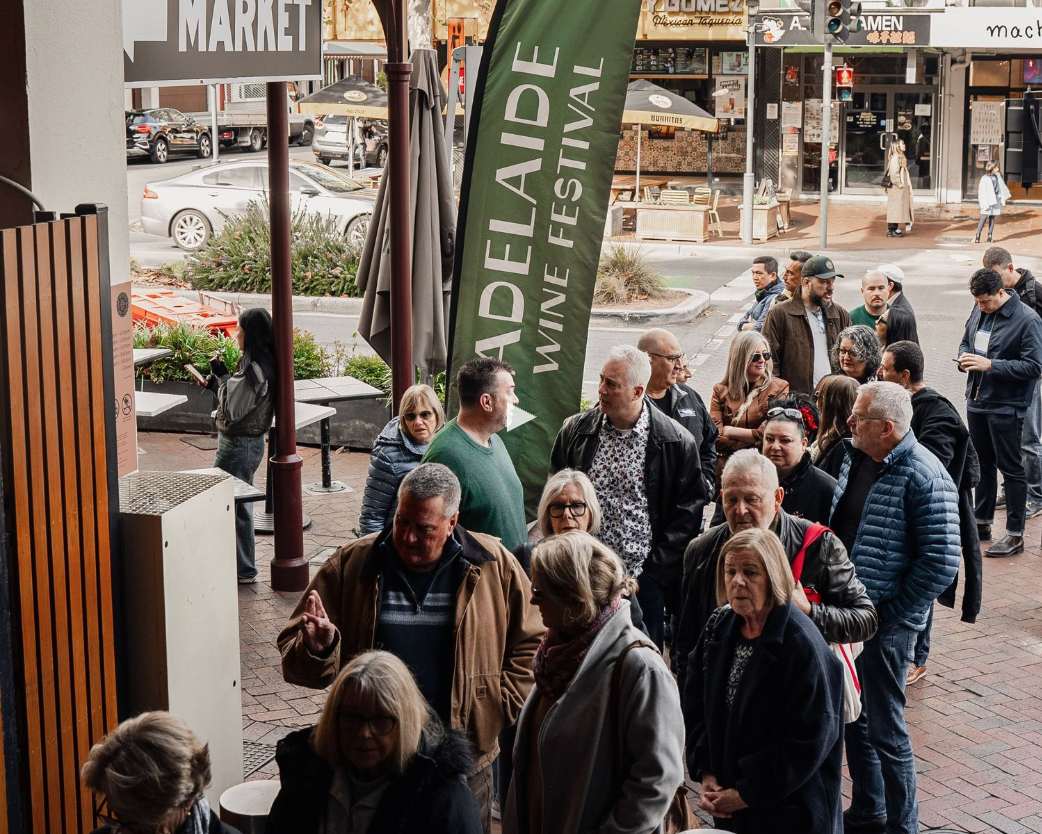
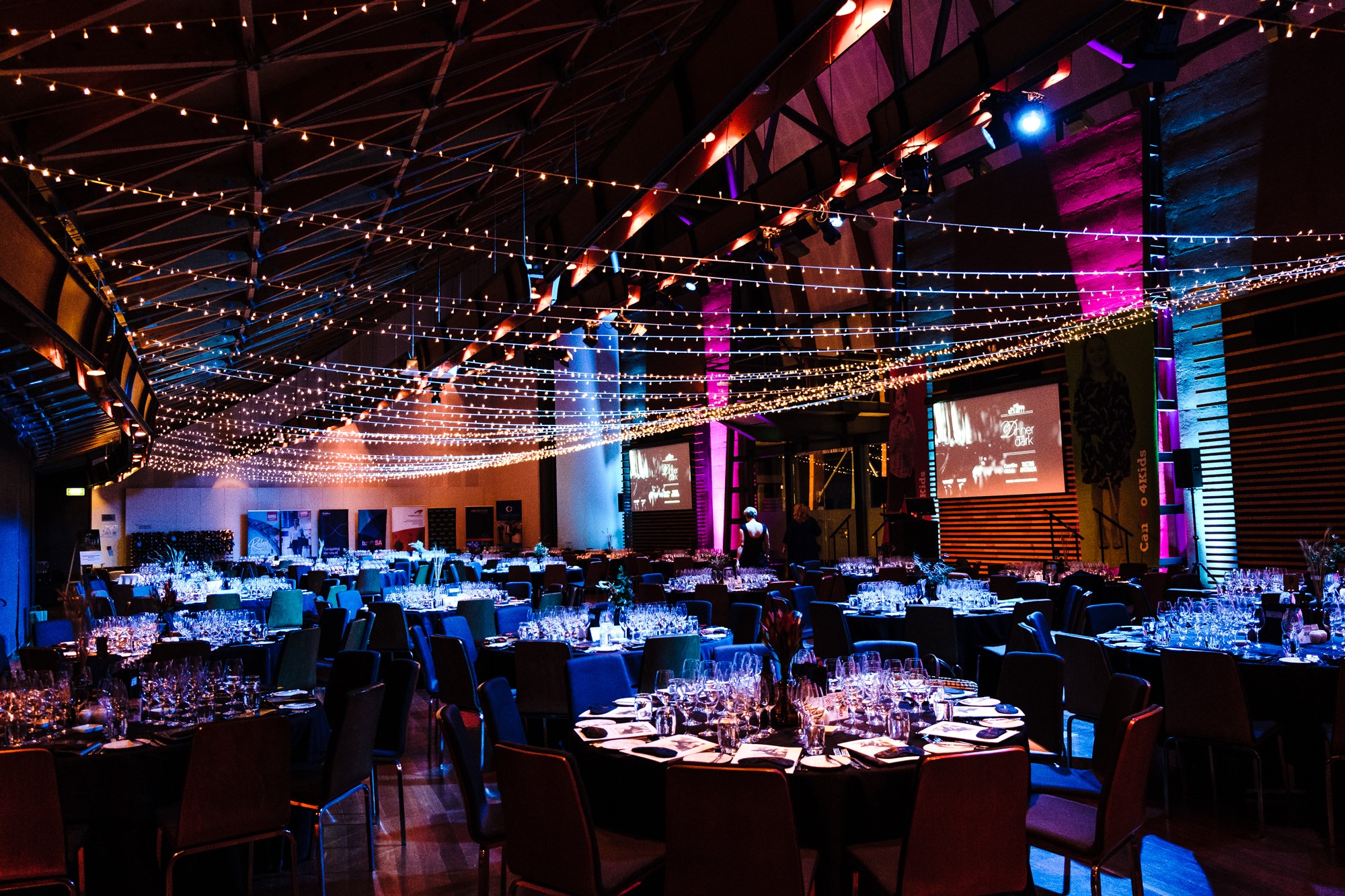
Adelaide is renowned for the extensive wine growing regions that surround it. If you can’t spare the time to take a one- or two-day winery trip, your luck is in – the Adelaide Wine Festival 2026 happens to be taking place on the weekend after the conference.
Where: Morphettville Racecourse
When: Sunday 22 November
Click on the title above to find out more.
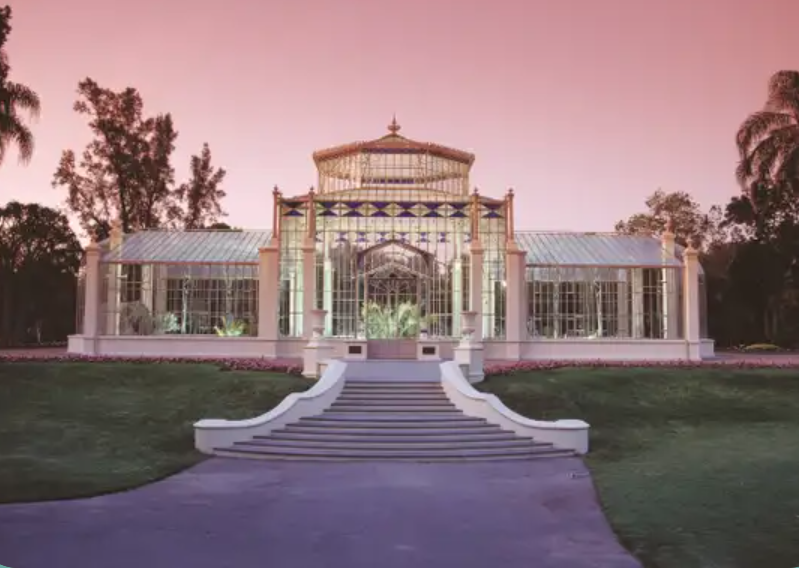
Rare exhibits at the Adelaide Botanic Garden include the Amazon Water Lily, a glass chandelier by iconic American glass artist Dale Chihuly, and the largest single span conservatory in the Southern Hemisphere.
The Botanic Garden is located at the north-east corner of the Adelaide city centre, in the Adelaide Park Lands.
Click on the title above to find out more.
Adelaide Zoo boasts the only pair of pandas in the Southern Hemisphere.
Click on the title above to find out more.
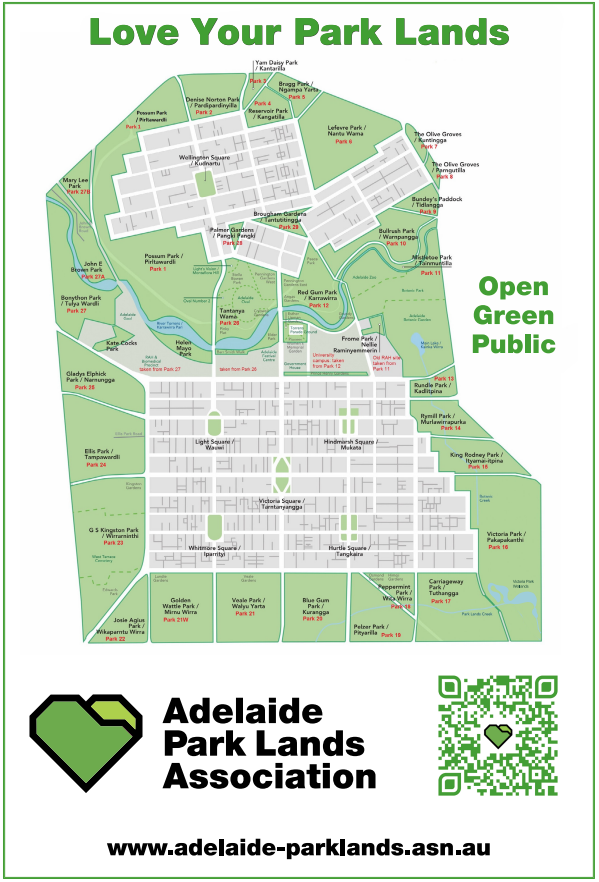
Adelaide prides itself on its extensive parklands – in fact, it’s a city built inside a park! – a figure-of-eight green belt that is wrapped around the city and North Adelaide.
Click on the title above to find out more, including maps and guided and self-guided tours.
The iconic Haigh’s retail store, Visitor Centre and original factory site are located on the fringe of Adelaide’s parklands, just a short drive or walk south of the city centre.
The tour lets you watch chocolatiers handcraft treats, learn the bean-to-bar chocolate making process, and enjoy complimentary chocolate tastings. Advance booking online is highly recommended.
Click on the title above to find out more.
Adelaide Himeji Garden was established in 1982. A gift from Adelaide’s sister city in Japan, Himeji, it combines plants that suit the local environment with traditional Japanese garden concepts, such as borrowed scenery, seasonal colour, raked gravel and water features.
Click on the title above to find out more.
This treetop playground for adults and kids alike has zip-lines and more, and is in Trip Advisor’s top 10% of things to do in the world! – something for the younger thrill seekers amongst us.
Click on the title above to find out more.
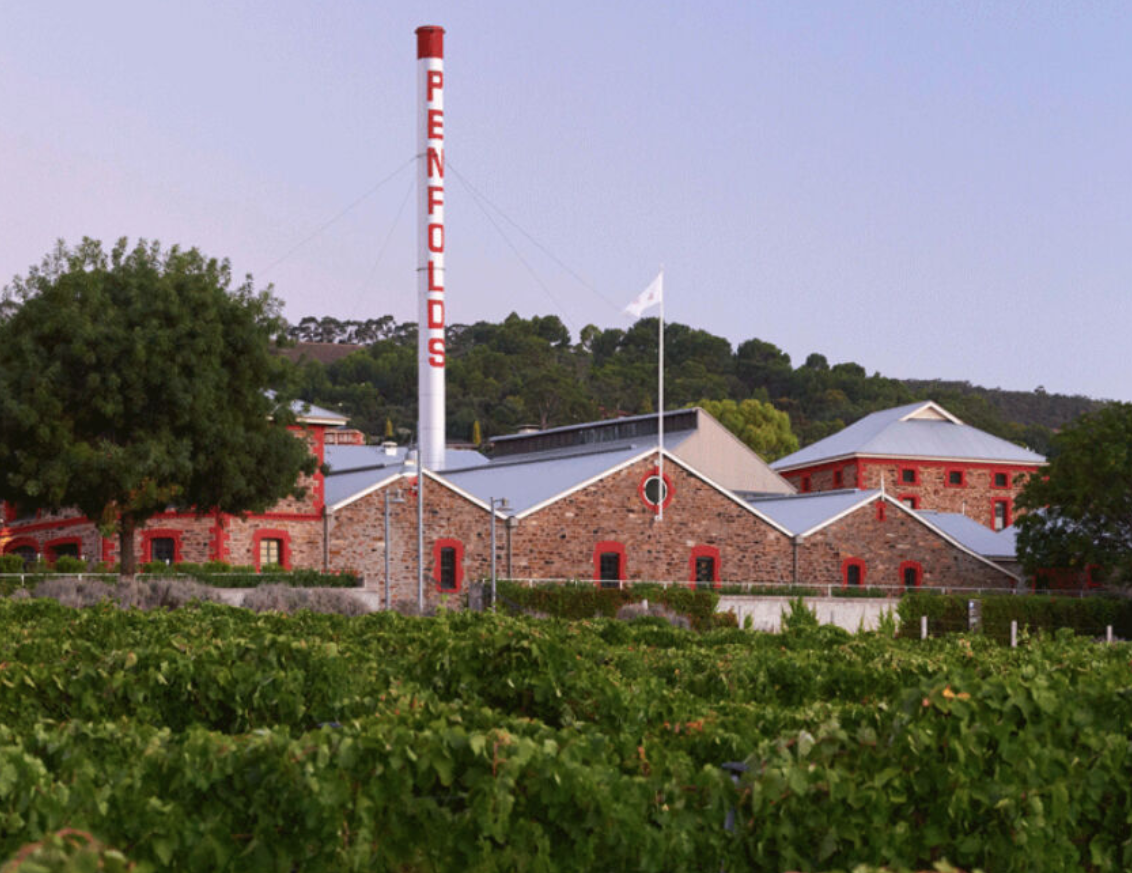
Eight km from the city centre is the original home of the Grange vineyards and winery. You can explore its historic building, taste wines and dine at its highly praised restaurant.
Click on the title above to find out more.
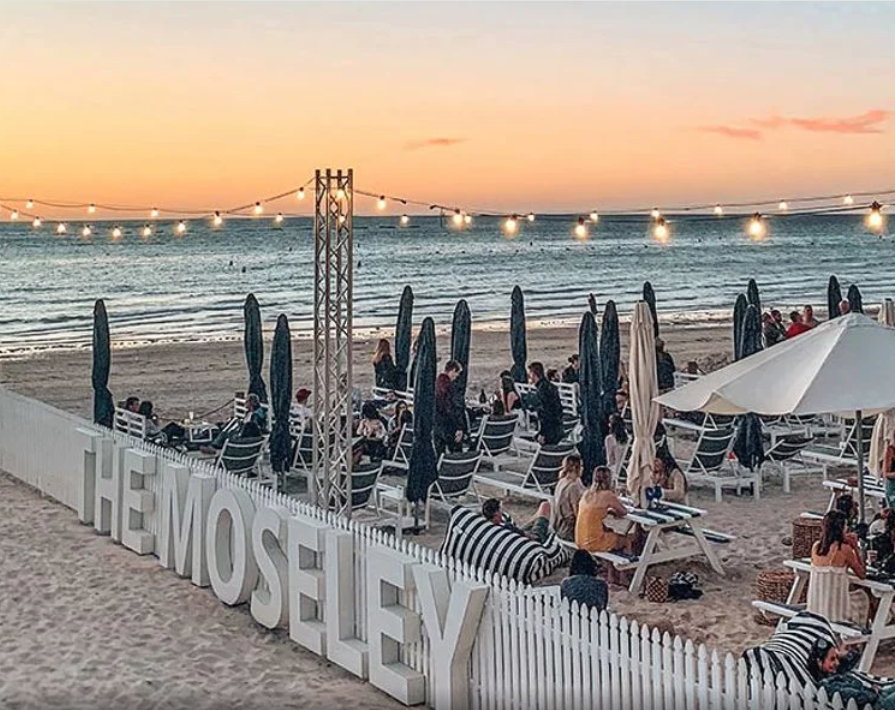
The sheltered waters of Gulf St Vincent offer a seemingly endless beachfront. Some of the most popular beaches are Glenelg, Grange, Brighton and Semaphore.
Click on the title above to find out more.
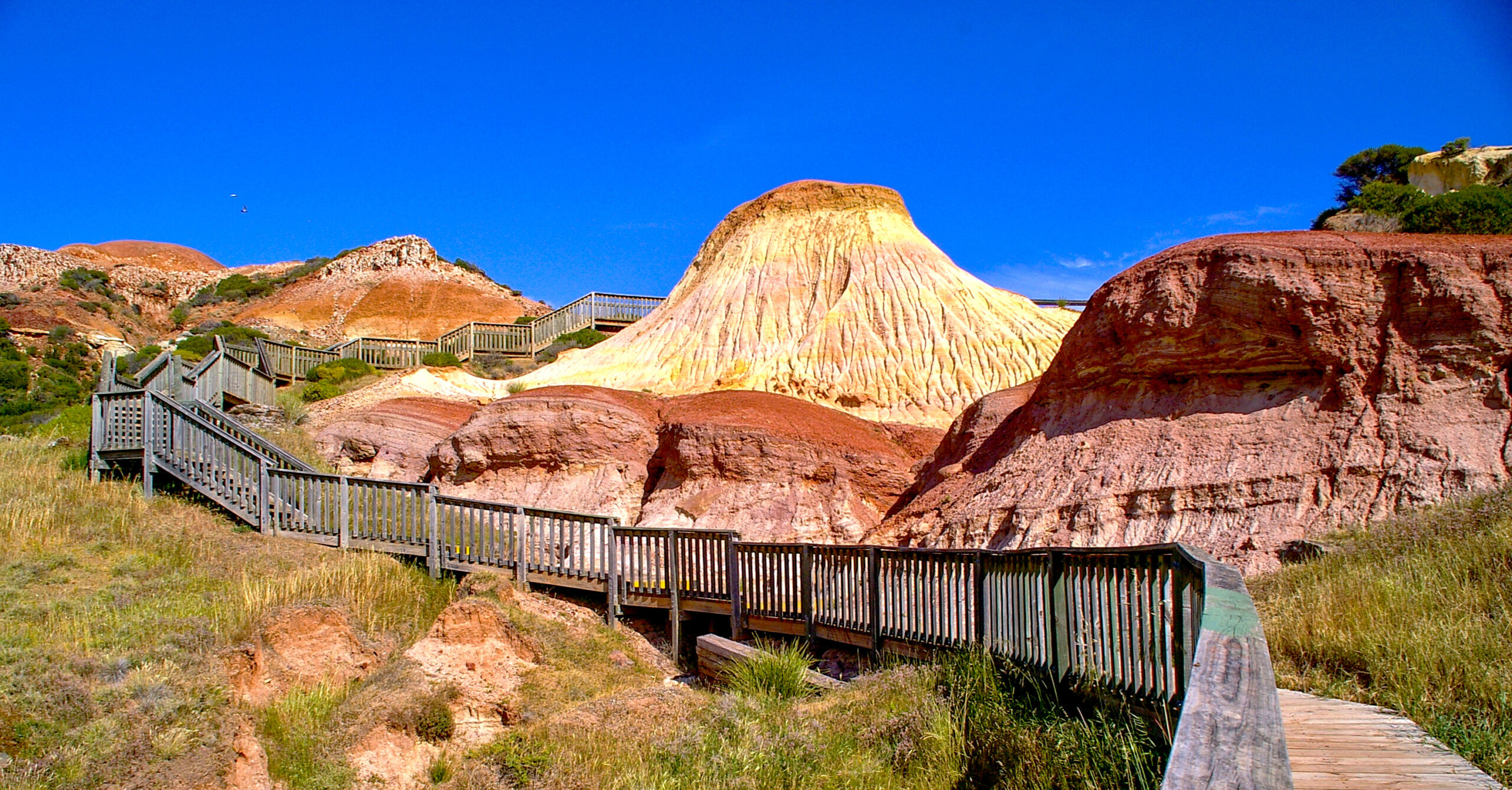
Seventeen km from the city centre, Hallett Cove offers some spectacular views but is first and foremost a site of geological significance – a former glacier. The world-famous 2 km Glacial Hike is a fascinating example of ancient Permian glaciers with excellent explanations to guide you through its geological history.
Click on the title above to find out more.
[Photo of the Sugarloaf by Imants Berkis]
Ten km from the city centre, you can take either the short (2 hr) or longer (3- to 4-hr) walk, keeping your eye out for koalas – there are lots there. Insider secret: towards sunset, the koalas and wallabies often come out to play.
Click on the title above to find out more.
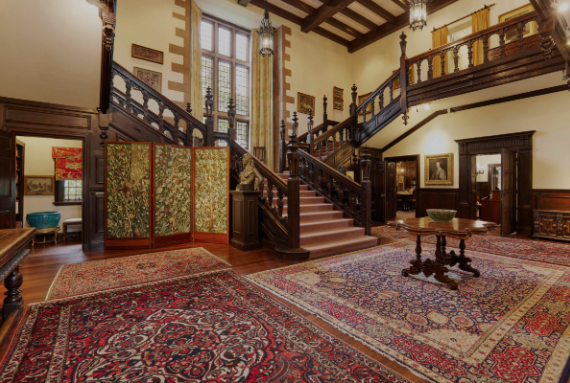
Run by the Art Gallery, this was the home of the Hayward family, former owners of one of South Australia’s department stores. This grand house was purchased in England, shipped to Adelaide and reassembled. Visitors can tour the house and gardens, and visit the Australian Museum of Gardening (currently being established).
Click on the title above to find out more.
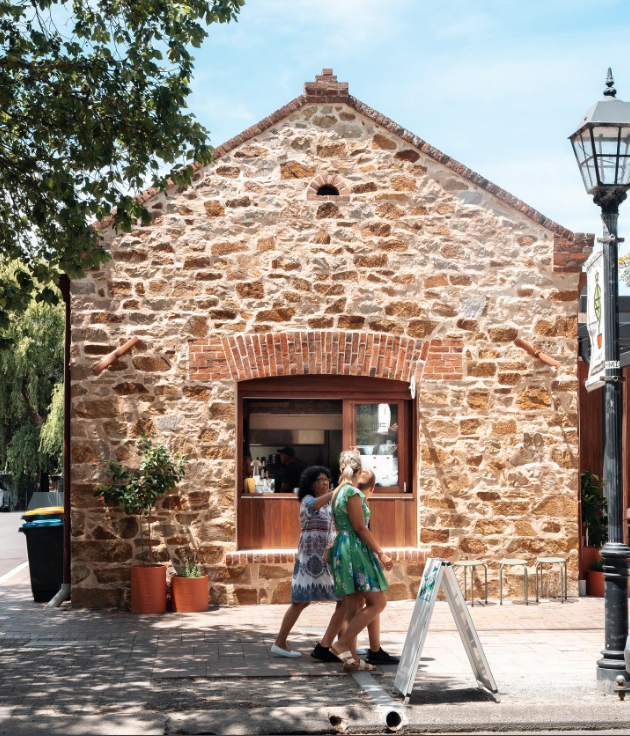
Set in the Adelaide Hills, Hahndorf (est. 1839) is Australia’s oldest surviving German settlement and has many interesting shops and eateries.
Click on the title above to find out more.
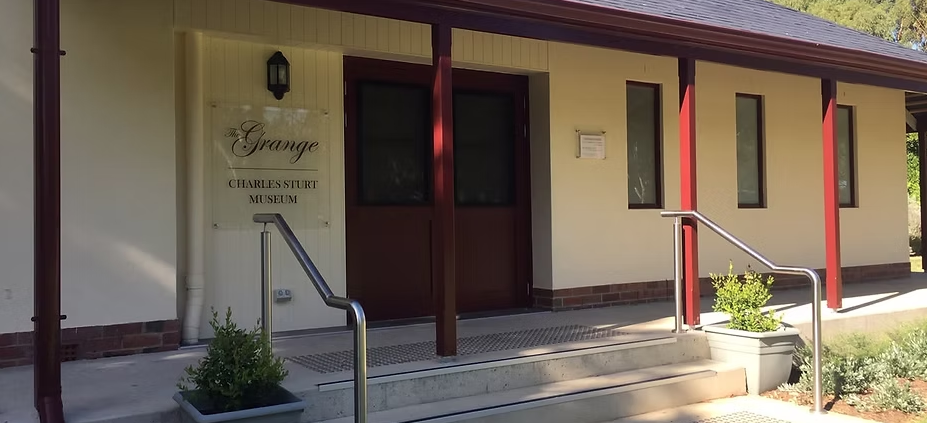
Twelve km from the city, the explorer’s home now celebrates his exploration of southeastern Australia and the arid interior of the continent.
Click on the title above to find out more.
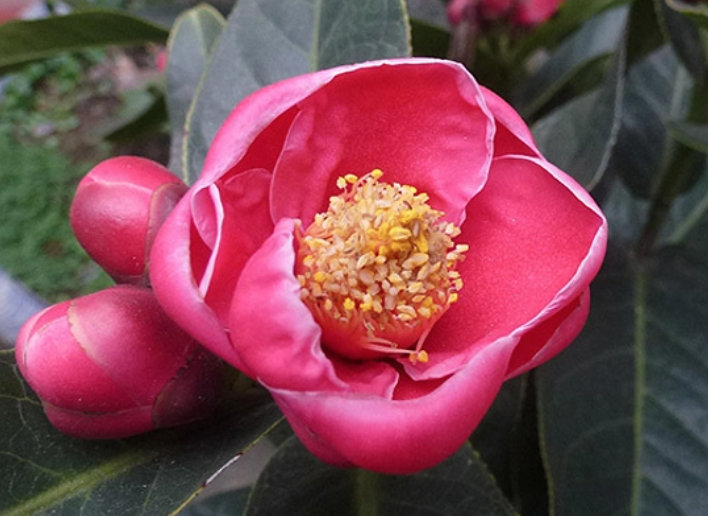
Nineteen km from the city centre, this huge botanic garden is famed for its magnificent rhododendron valley, but there is plenty to see there in spring apart from the rhododendrons.
Nearby are the Cleland Conservation Park and the Mt Lofty lookout, tourist centre and restaurant.
Click on the title above to find out more.
Only 20 minutes from the city centre, Cleland Wildlife Park is home to some of South Australia’s most iconic inhabitants, including koalas, wallabies, wombats, bettongs, potoroos and dingoes; native birds, water birds and forest birds; snakes, reptiles and even the elusive echidna.
Click on the title above to find out more.
** PD points for conference attendance: 40. **
** A wide range of sponsorship opportunities will soon be available. Watch this space! **
** The biennial Paul Sinclair Award for Outstanding Contribution to AUSIT will be awarded during the Conference Dinner on Thursday 19 November. You can find out more about this award and how to nominate an individual or group here. **
** You can contact us via the button below if you have any questions regarding the conference or sponsorship, or if you would like to register your interest in becoming a sponsor now. **
** The Call for Proposals is now open – see button above. **
** PD points for conference attendance: 40. **
** A wide range of sponsorship opportunities will soon be available. Watch this space! **
** The biennial Paul Sinclair Award for Outstanding Contribution to AUSIT will be awarded during the Conference Dinner on Thursday 19 November. You can find out more about this award and how to make a nominate an individual or group here. **
** You can contact us via the button below if you have any questions regarding the conference or sponsorship. **
** The Call for Proposals will open soon. **
** PD points for conference attendance: 40. **
** A wide range of sponsorship opportunities are available. Check out our Sponsorship Prospectus, and if you are interested in becoming a sponsor, please fill out this Sponsorship EOI Form. **
** The biennial Paul Sinclair Award for Outstanding Contribution to AUSIT 2026 will be awarded during the Conference Dinner on Thursday 19 November. Nominations are now open. You can find out more about this award and how to nominate an individual or group here. **
** You can contact us via the button below if you have any questions regarding the conference or sponsorship. **
for court interpreters to report incidents or issues that occur in court interpreting assignments.
Purpose and function of this information submission form.
This form enables you to report issues or problems that you encounter in the course of court interpreting assignments. These issues and problems will be collected by AUSIT to report to the JCCD (the Judicial Council on Cultural Diversity) to monitor the implementation of the Recommended National Standards. The reporting of these issues and problems enables AUSIT to work with the JCCD to suggest steps to address these issues and to avoid the repetition of these problems in the future.
"*" indicates required fields
Select your desired option below to share a direct link to this page